

CRUISE ID # LINDBLADEXPANT-270221
Ushuaia TO Santiago

$22,300
WITH SPECIAL SAVINGS APPLIED
FARES SHOWN ARE PER GUEST
Suites & Fares
CHOOSE START DATE
: February 21, 2027
Itinerary
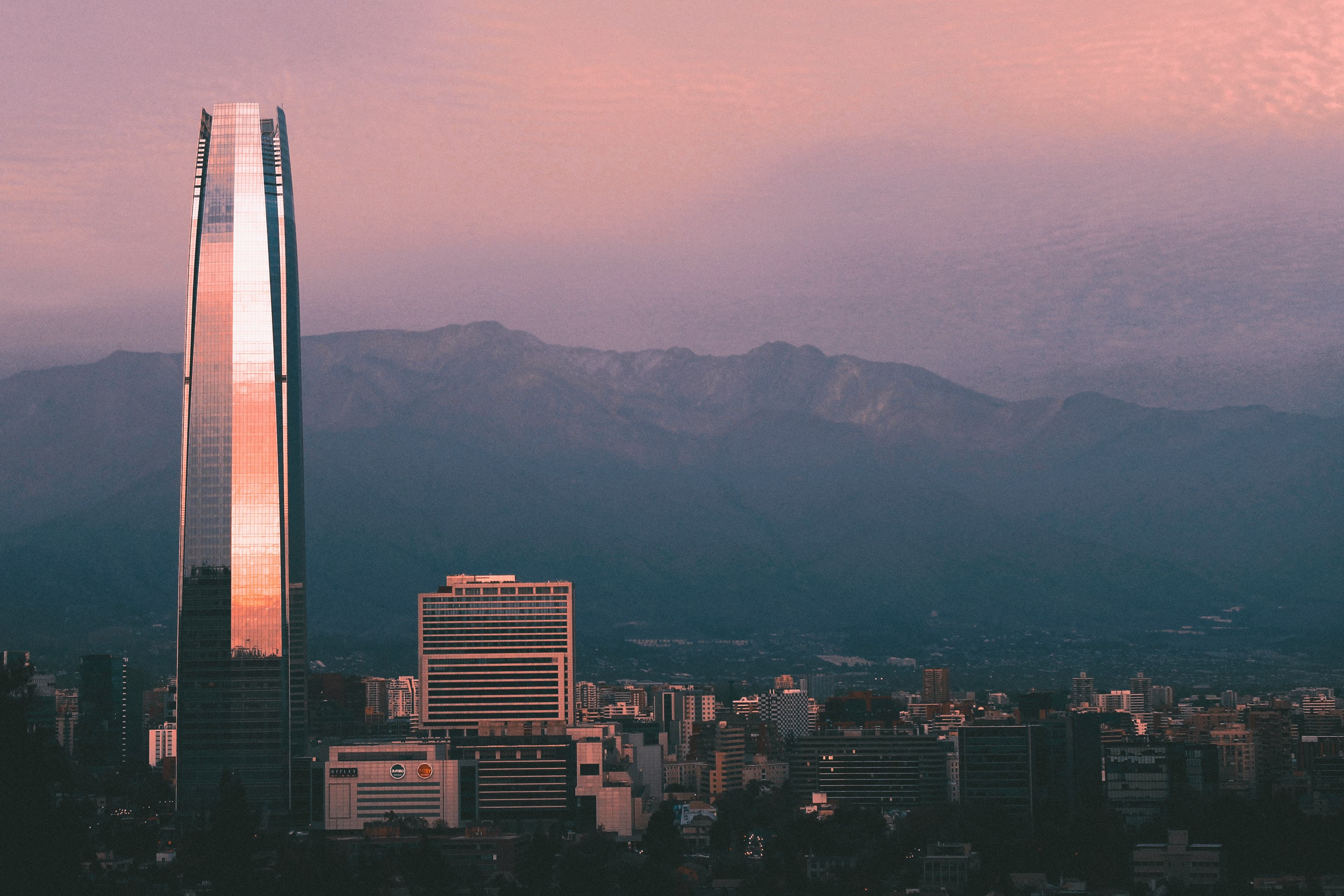
At 55 degrees latitude south, Ushuaia (pronounced oo-swy-ah) is closer to the South Pole than to Argentina's northern border with Bolivia. It is the capital and tourism base for Tierra del Fuego, the island at the southernmost tip of Argentina.Although its stark physical beauty is striking, Tierra del Fuego's historical allure is based more on its mythical past than on rugged reality. The island was inhabited for 6,000 years by Yámana, Haush, Selk'nam, and Alakaluf Indians. But in 1902 Argentina, eager to populate Patagonia to bolster its territorial claims, moved to initiate an Ushuaian penal colony, establishing the permanent settlement of its most southern territories and, by implication, everything in between.When the prison closed in 1947, Ushuaia had a population of about 3,000, made up mainly of former inmates and prison staff. Today the Indians of Darwin's "missing link" theory are long gone—wiped out by diseases brought by settlers and by indifference to their plight—and the 60,000 residents of Ushuaia are hitching their star to tourism.The city rightly (if perhaps too loudly) promotes itself as the southernmost city in the world (Puerto Williams, a few miles south on the Chilean side of the Beagle Channel, is a small town). You can make your way to the tourism office to get your clichéd, but oh-so-necessary, "Southernmost City in the World" passport stamp. Ushuaia feels like a frontier boomtown, at heart still a rugged, weather-beaten fishing village, but exhibiting the frayed edges of a city that quadrupled in size in the '70s and '80s and just keeps growing. Unpaved portions of Ruta 3, the last stretch of the Pan-American Highway, which connects Alaska to Tierra del Fuego, are finally being paved. The summer months (December through March) draw more than 120,000 visitors, and dozens of cruise ships. The city is trying to extend those visits with events like March's Marathon at the End of the World and by increasing the gamut of winter activities buoyed by the excellent snow conditions.A terrific trail winds through the town up to the Martial Glacier, where a ski lift can help cut down a steep kilometer of your journey. The chaotic and contradictory urban landscape includes a handful of luxury hotels amid the concrete of public housing projects. Scores of "sled houses" (wooden shacks) sit precariously on upright piers, ready for speedy displacement to a different site. But there are also many small, picturesque homes with tiny, carefully tended gardens. Many of the newer homes are built in a Swiss-chalet style, reinforcing the idea that this is a town into which tourism has breathed new life. At the same time, the weather-worn pastel colors that dominate the town's landscape remind you that Ushuaia was once just a tiny fishing village, snuggled at the end of the Earth.As you stand on the banks of the Canal Beagle (Beagle Channel) near Ushuaia, the spirit of the farthest corner of the world takes hold. What stands out is the light: at sundown the landscape is cast in a subdued, sensual tone; everything feels closer, softer, and more human in dimension despite the vastness of the setting. The snowcapped mountains reflect the setting sun back onto a stream rolling into the channel, as nearby peaks echo their image—on a windless day—in the still waters.Above the city rise the last mountains of the Andean Cordillera, and just south and west of Ushuaia they finally vanish into the often-stormy sea. Snow whitens the peaks well into summer. Nature is the principal attraction here, with trekking, fishing, horseback riding, wildlife spotting, and sailing among the most rewarding activities, especially in the Parque Nacional Tierra del Fuego (Tierra del Fuego National Park).
Sail to Antarctica via the Drake Passage, named after 16th-century English admiral Sir Francis Drake. Watch for dozens of species of seabirds gliding alongside the ship—including the albatross, which boasts the longest wingspan of any extant bird—and enjoy talks from your onboard naturalists about the wildlife and geology that await you on the Antarctic Peninsula.
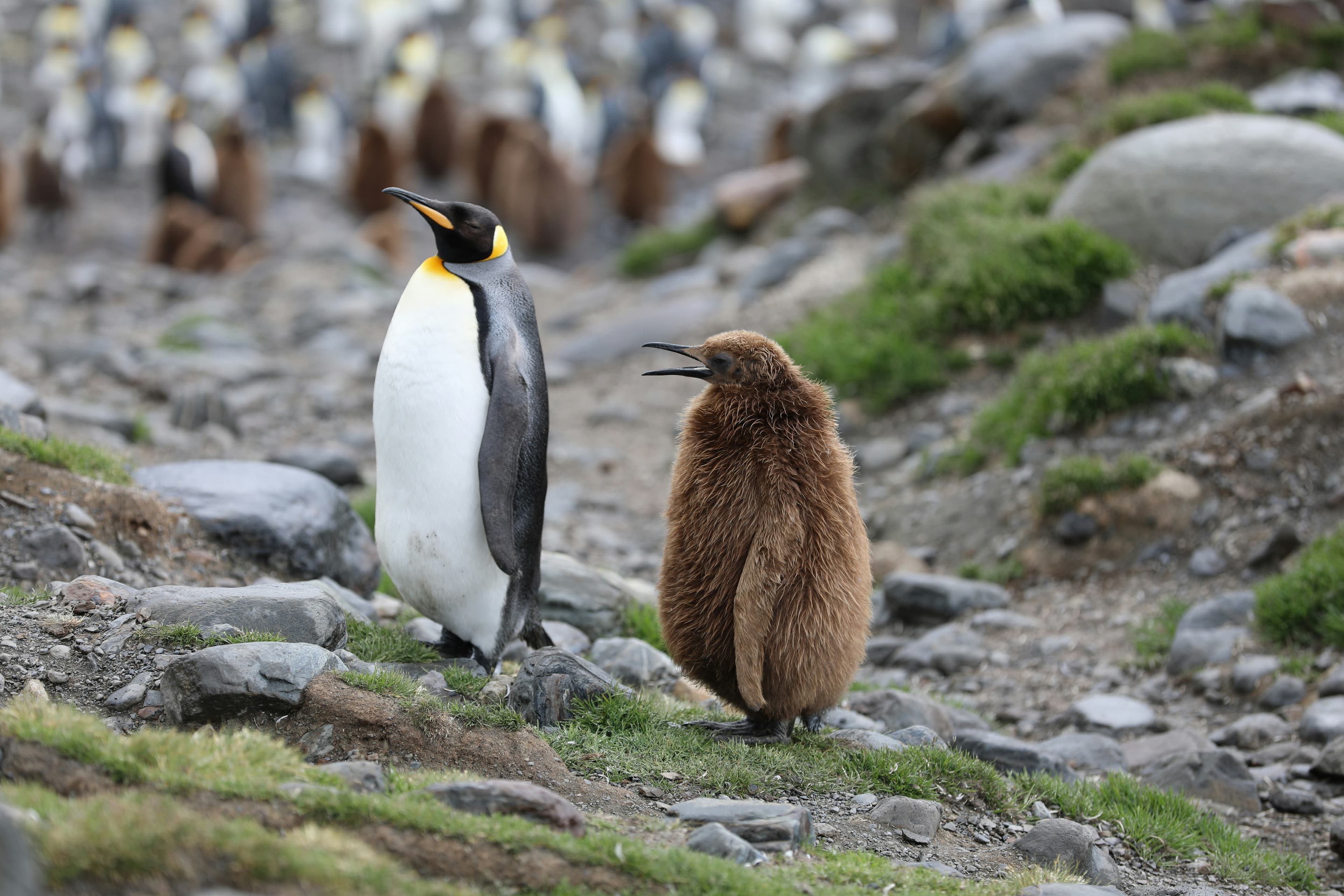
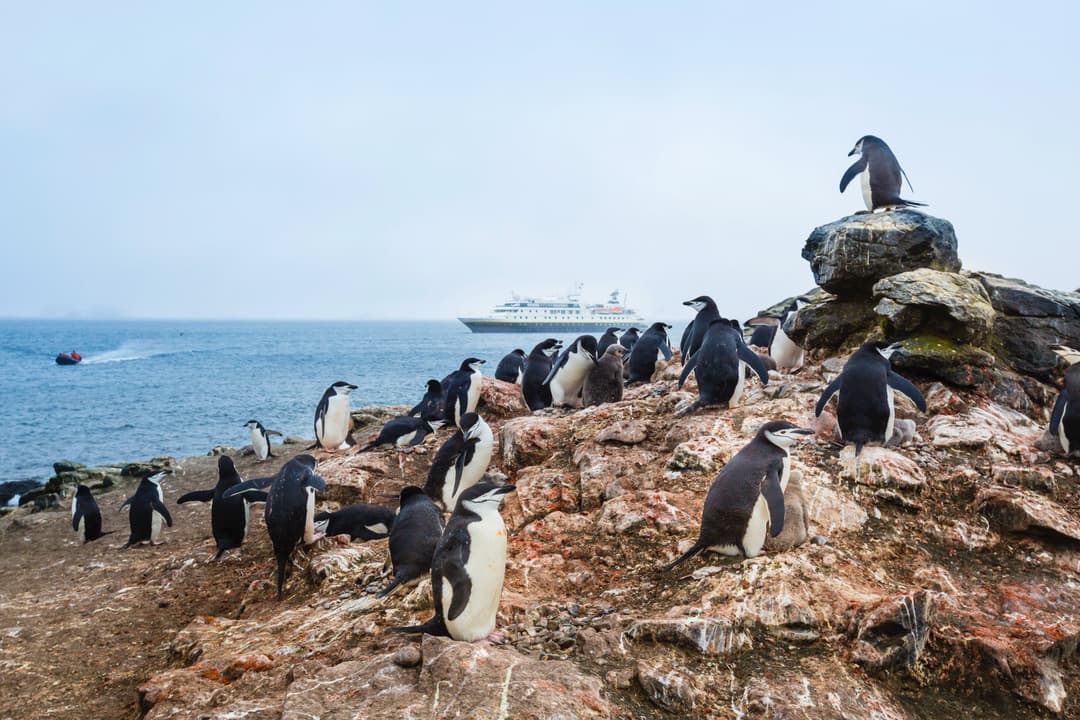
With long hours of daylight at this time of year, you'll have ample opportunities to explore. The schedule is flexible, allowing you to take advantage of the unexpected, whether you're watching whales at play off the bow of the ship or enjoying an evening Zodiac cruise amid glittering icebergs. One day, you might set out by kayak to encounter towering icebergs at water level; embark on a Zodiac excursion in search of seals and blue-eyed shags; or walk on a beach amid thousands of Adélie and gentoo penguins. The next day, you might experience the thrill of the ship crunching through pack ice. The expert expedition team enriches your experiences.
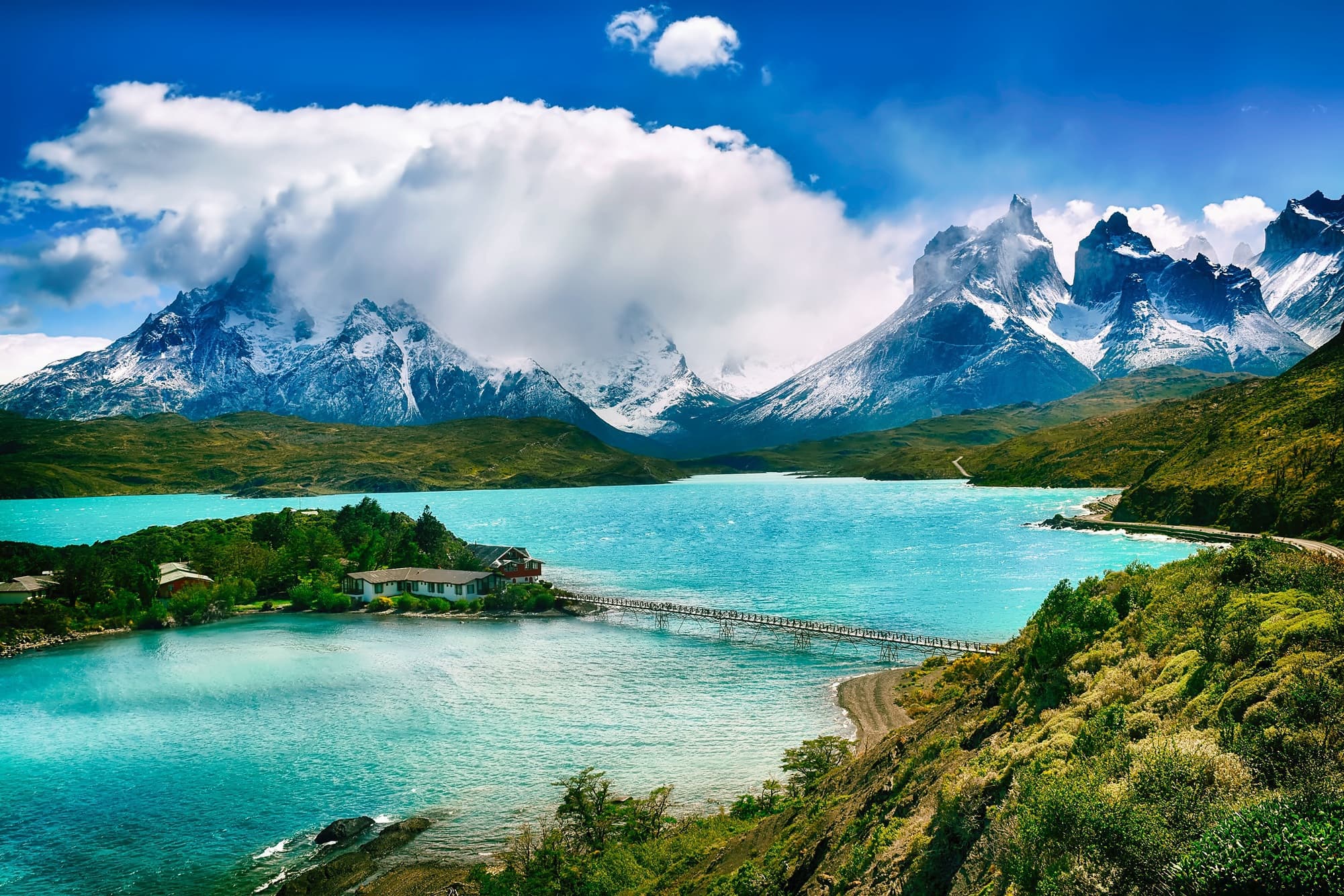
Strewn through the coast of Chile, these beautiful fjords are world renowned for being one of the most awe-inspiring places on earth. Snow-capped volcanoes nestle majestically alongside rolling valleys of ice and frosty glaciers. Rugged beauty, breathtaking scenery not to mention diverse and profuse wildlife abounds – expect to watch whales from the deck, see playful Magellan Penguins and perhaps even spot the rare Andean Condor. Affectionately named “The End of the World” by the Spaniards who discovered the region in eighteenth century in a quest to Christianise South America, these extraordinary waterways not only encompass a medley of jagged mountains and iceberg strewn bays, but feature a kaleidoscopic spectrum of unexpected colour that offers photographic opportunities like no other destination.
Strewn through the coast of Chile, these beautiful fjords are world renowned for being one of the most awe-inspiring places on earth. Snow-capped volcanoes nestle majestically alongside rolling valleys of ice and frosty glaciers. Rugged beauty, breathtaking scenery not to mention diverse and profuse wildlife abounds – expect to watch whales from the deck, see playful Magellan Penguins and perhaps even spot the rare Andean Condor. Affectionately named “The End of the World” by the Spaniards who discovered the region in eighteenth century in a quest to Christianise South America, these extraordinary waterways not only encompass a medley of jagged mountains and iceberg strewn bays, but feature a kaleidoscopic spectrum of unexpected colour that offers photographic opportunities like no other destination.
Cruise to Tierra del Fuego and venture into the archipelago’s largest protected land area: Karukinka Natural Park. Visit this private reserve by special permission, searching for Andean foxes, guanacos, black-browed albatross and more. Then sail to Ainsworth Bay, a stunning fjord surrounded by subpolar forest, keeping an eye out for elephant seals.
Enter the Strait of Magellan to explore Francisco Coloane Marine Park. The park covers more than 165,000 acres of land and sea and is home to an abundance of wildlife, including humpback whales, two species of sea lions and Magellanic penguins. Cruise along the coastline by Zodiac and kayak to watch for black and white Peale’s dolphins, the endangered Chilean dolphin and Andean condors.
Local pilots will join the Captain on the Bridge to guide the ship through the winding Kirke Narrows, accessible only to small expedition ships. You'll then continue your discovery of the Chilean fjords, where you may explore by ship or take a forest walk.
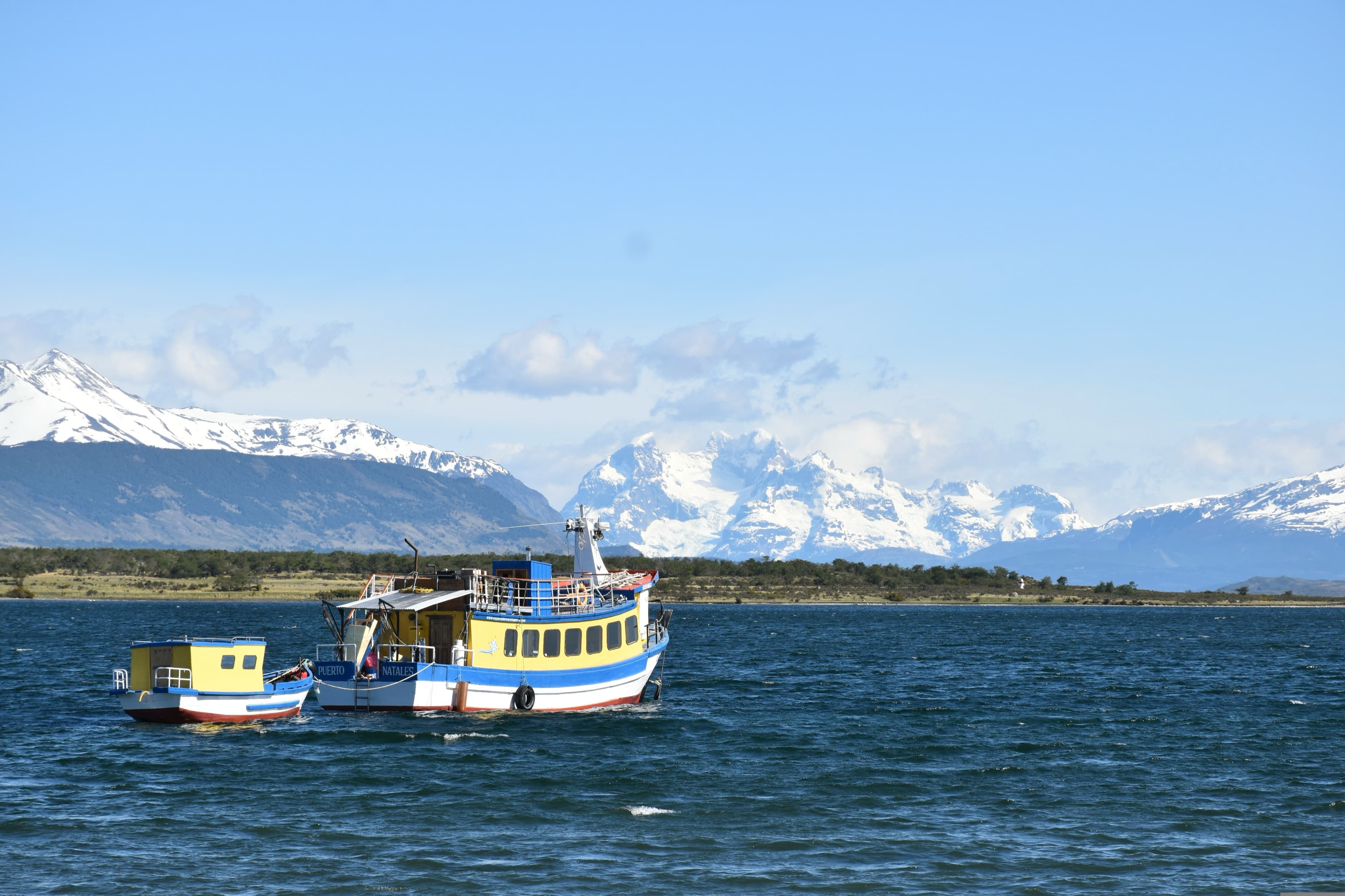
With a population of roughly 18,000, Puerto Natales is the capital of the Ultima Esperanza Province. Founded in 1911, it quickly developed into a major residential center and shipping port for the area’s products. Nestled on a gently-sloping point amid spectacular scenery, the town overlooks the Ultima Esperanza Gulf and has a nice view of the Balmaceda Mountain. It provides services for the region’s intense livestock activity. Many of its inhabitants work at the Argentinian coal mines in Rio Turbio and return home over the weekend. A growing number of tourists are using the town as a jumping-off point for visiting the spectacular Torres del Paine and Balmaceda National Parks, and the nearby fjords. In 1892 and 1897, two geographic surveyors mapped the area and ascertained its potential for livestock farming. The first expedition was led by Capt. Eberhard, while the second, a Swedish one, was led by Otto Nordenskjöld. Eberhard discovered the Milodón Cave and was one of the first settlers in the area. A German-born immigrant in transit along the Strait of Magellan, he disembarked in Punta Arenas and decided to stay in this area. His brother continued to California, their original destination, where he later founded the renowned Eberhard Faber pencil making company. When the area opened to settlement in 1893, the lands lying along the coast were occupied mostly by German and English settlers who had previously come to Punta Arenas. There still remain a few interesting buildings dating from the estancia heydays. Pier Information The ship will remain at anchor. Guests will be brought ashore by ship’s tenders to the jetty located close to the center of town, which can be reached on foot. Shopping The main shopping area is located about 11 blocks from the landing jetty. Cuisine Two of the better restaurants in town are Tranquera and Circulo Español. Other Sites Cerro DoroteaA walk up this hill rewards with superb views of the whole Ultima Esperanza Sound.Milodón Cave National MonumentAbout 15 miles out of Puerto Natales stands this monument near the cave, where in 1895 Capt. Eberhard found the nearly intact remains of a prehistoric animal called milodón, a type of ground sloth. The finding caused such a stir that Wellington Furlog, a scientiest at Cornell University, set out in 1907 to comb Patagonia in search of living specimens of this species.
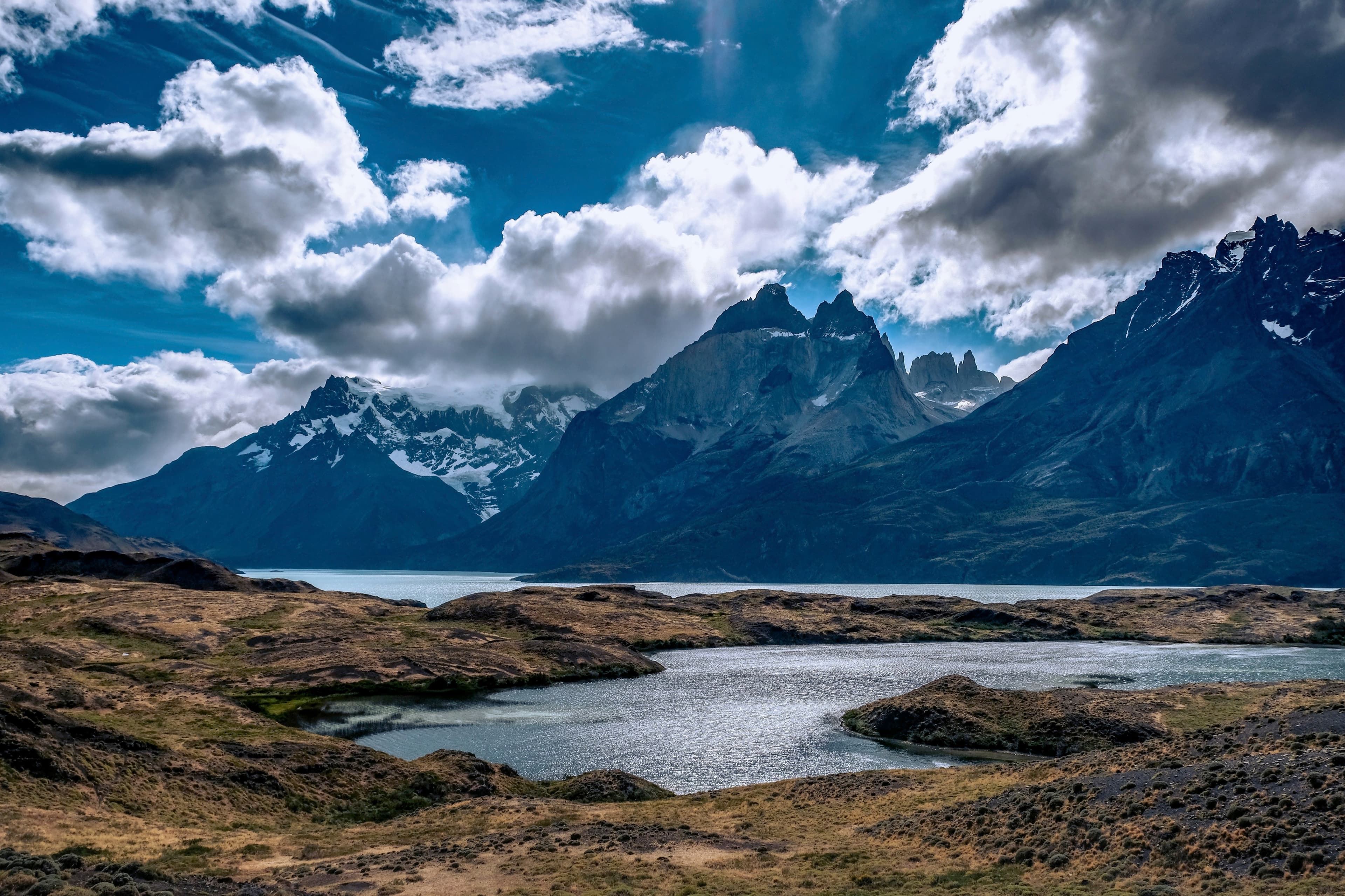
Early this morning, dock in picturesque Puerto Natales before heading out to explore majestic Torres del Paine National Park, a UNESCO Biosphere Reserve. Set out by foot or by vehicle across the windswept, rugged landscape, which spans more than 550,000 acres and harbors an astounding variety of geological forms, from the soaring granite pillars of the “horns” and windswept grasslands to rivers, glaciers and gem-colored lagoons. Keep an eye out for guanacos, rheas, foxes and armadillos.
With a population of roughly 18,000, Puerto Natales is the capital of the Ultima Esperanza Province. Founded in 1911, it quickly developed into a major residential center and shipping port for the area’s products. Nestled on a gently-sloping point amid spectacular scenery, the town overlooks the Ultima Esperanza Gulf and has a nice view of the Balmaceda Mountain. It provides services for the region’s intense livestock activity. Many of its inhabitants work at the Argentinian coal mines in Rio Turbio and return home over the weekend. A growing number of tourists are using the town as a jumping-off point for visiting the spectacular Torres del Paine and Balmaceda National Parks, and the nearby fjords. In 1892 and 1897, two geographic surveyors mapped the area and ascertained its potential for livestock farming. The first expedition was led by Capt. Eberhard, while the second, a Swedish one, was led by Otto Nordenskjöld. Eberhard discovered the Milodón Cave and was one of the first settlers in the area. A German-born immigrant in transit along the Strait of Magellan, he disembarked in Punta Arenas and decided to stay in this area. His brother continued to California, their original destination, where he later founded the renowned Eberhard Faber pencil making company. When the area opened to settlement in 1893, the lands lying along the coast were occupied mostly by German and English settlers who had previously come to Punta Arenas. There still remain a few interesting buildings dating from the estancia heydays. Pier Information The ship will remain at anchor. Guests will be brought ashore by ship’s tenders to the jetty located close to the center of town, which can be reached on foot. Shopping The main shopping area is located about 11 blocks from the landing jetty. Cuisine Two of the better restaurants in town are Tranquera and Circulo Español. Other Sites Cerro DoroteaA walk up this hill rewards with superb views of the whole Ultima Esperanza Sound.Milodón Cave National MonumentAbout 15 miles out of Puerto Natales stands this monument near the cave, where in 1895 Capt. Eberhard found the nearly intact remains of a prehistoric animal called milodón, a type of ground sloth. The finding caused such a stir that Wellington Furlog, a scientiest at Cornell University, set out in 1907 to comb Patagonia in search of living specimens of this species.
About the Ship
Name
National Geographic Explorer
Operator
National Geographic - Lindblad Expeditions

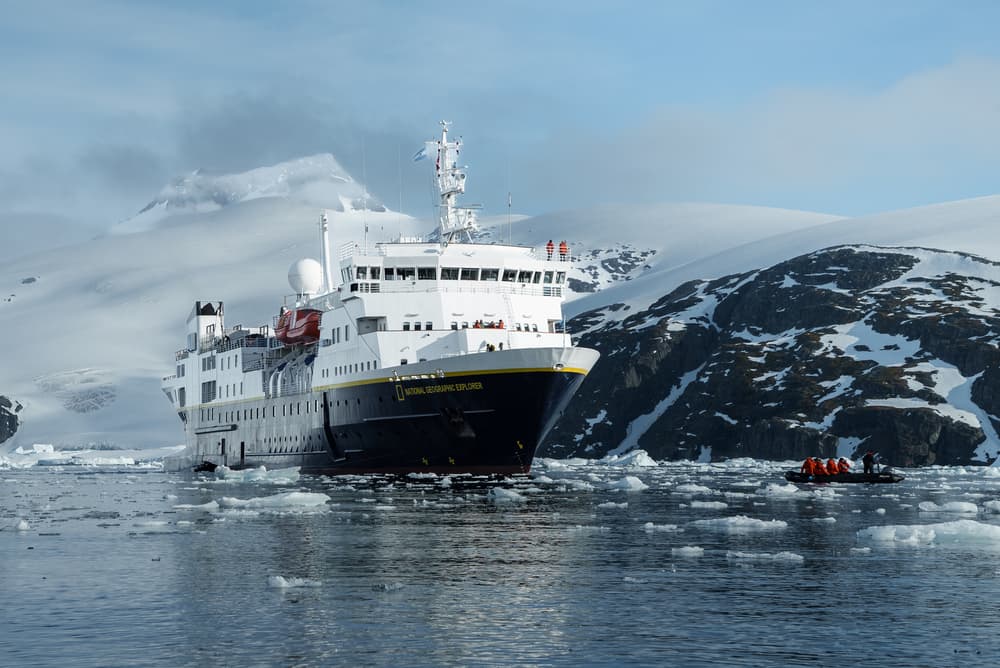
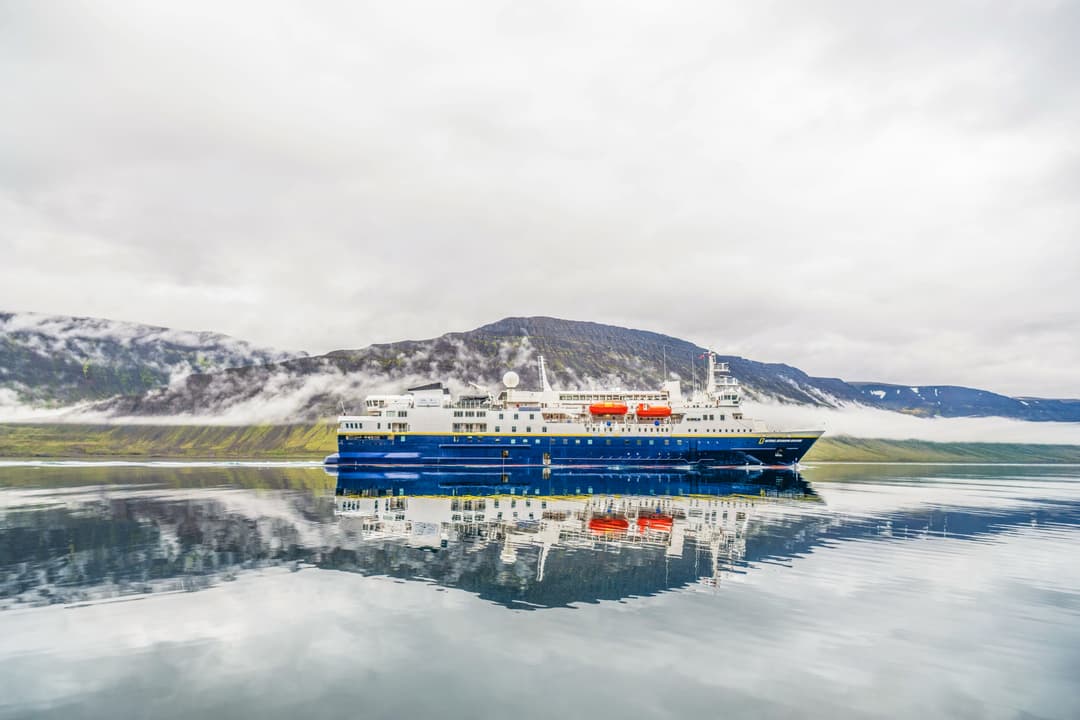
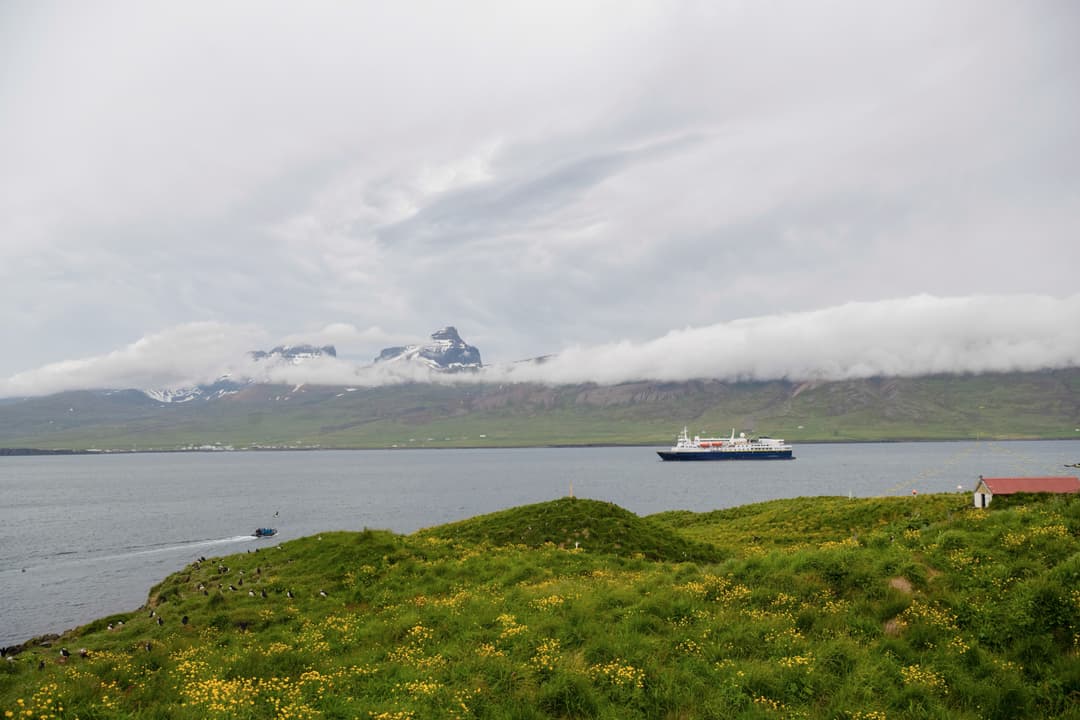
Built to handle deep swells and towering waves, the National Geographic Explorer lends herself to globe-spanning travel and a dedication to curiosity and wonder.
Originally constructed for service along Norway's coast as part of the famed Hurtigruten, or Coastal Express, she ferried passengers among the fjords of this iconic coast in conditions that could deteriorate into heavy seas in a matter of minutes. She had to be able to handle deep swells and towering waves-and have a high degree of maneuverability. Those traits, and an ideal size, made her a natural choice for addition to the Lindblad fleet.
Loading...
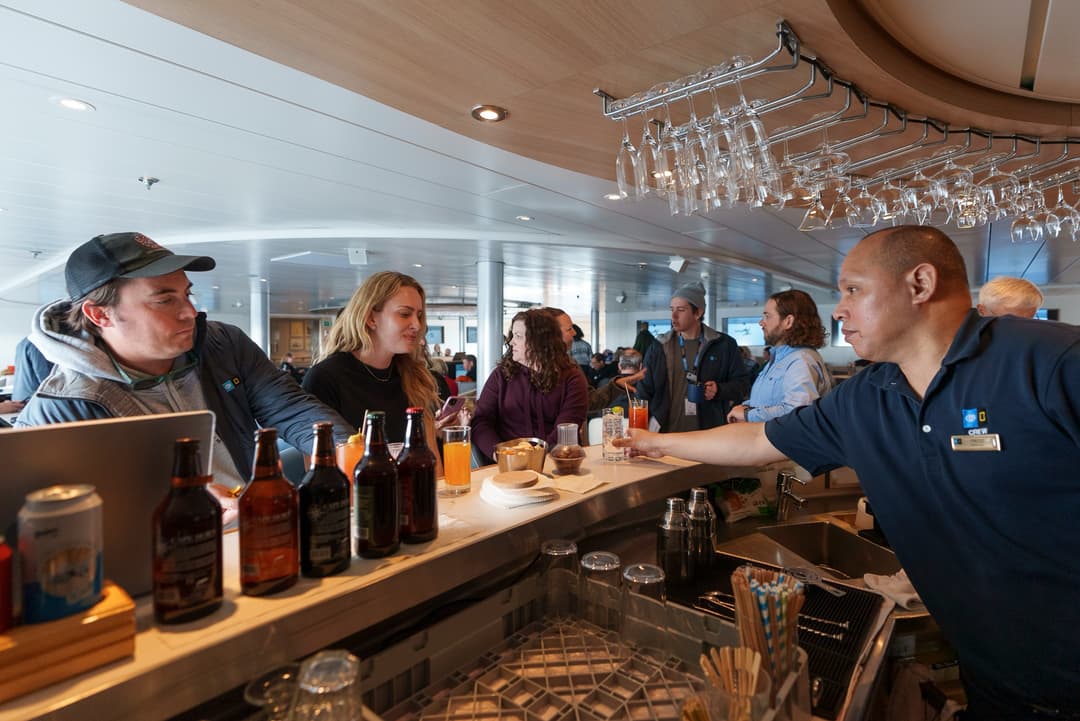
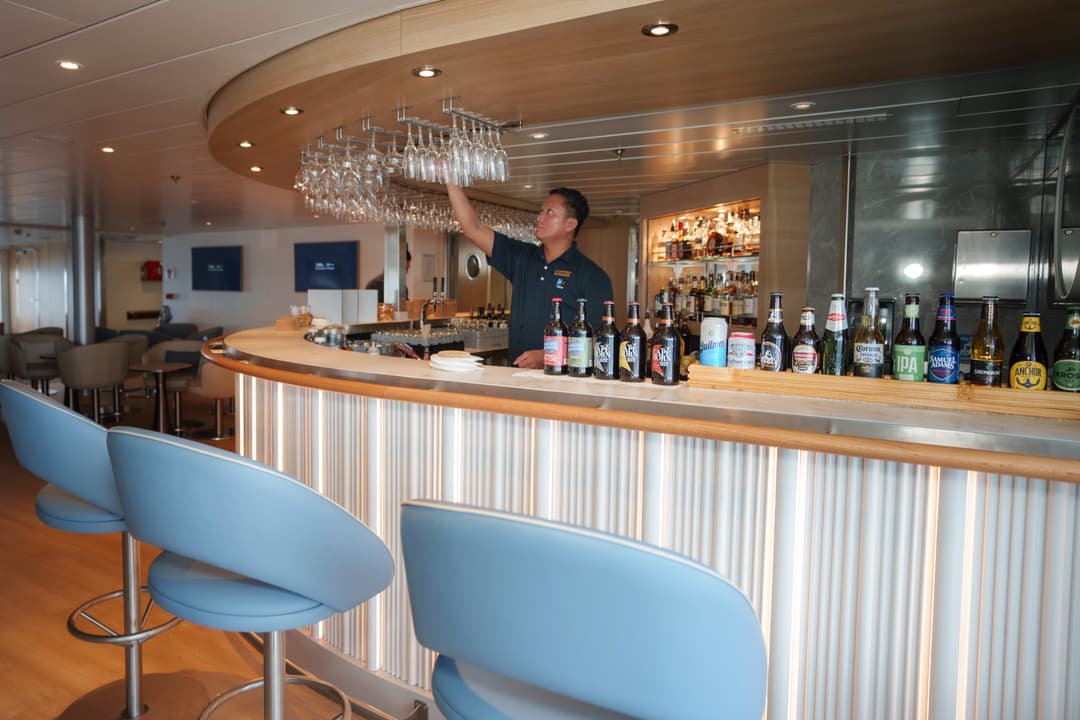
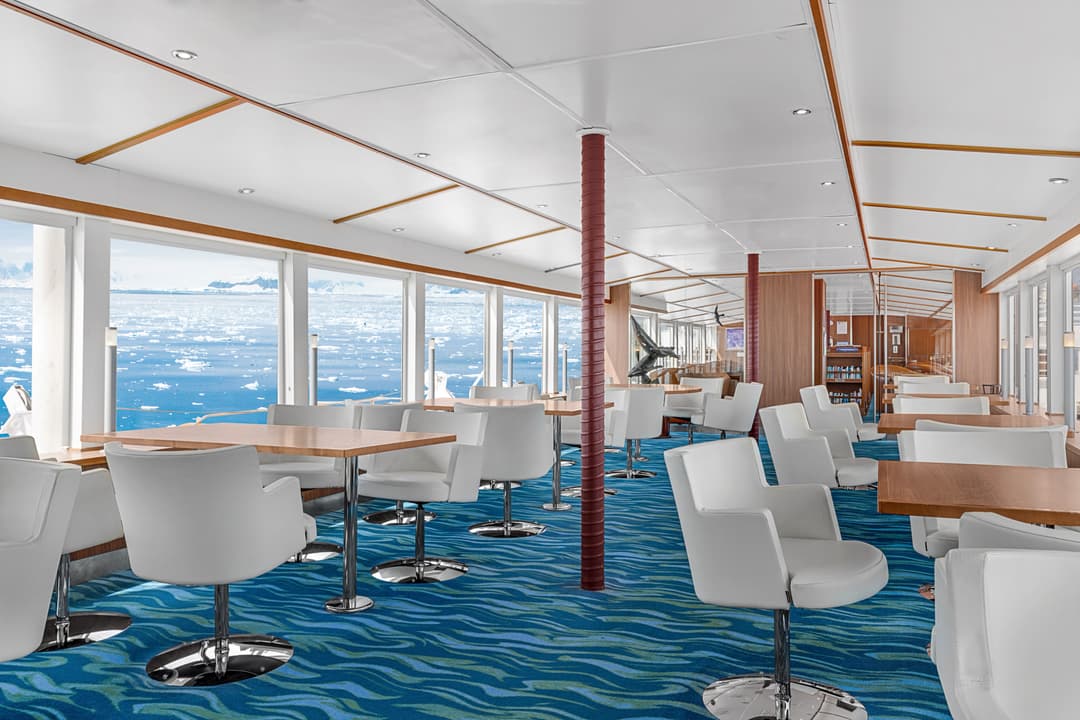
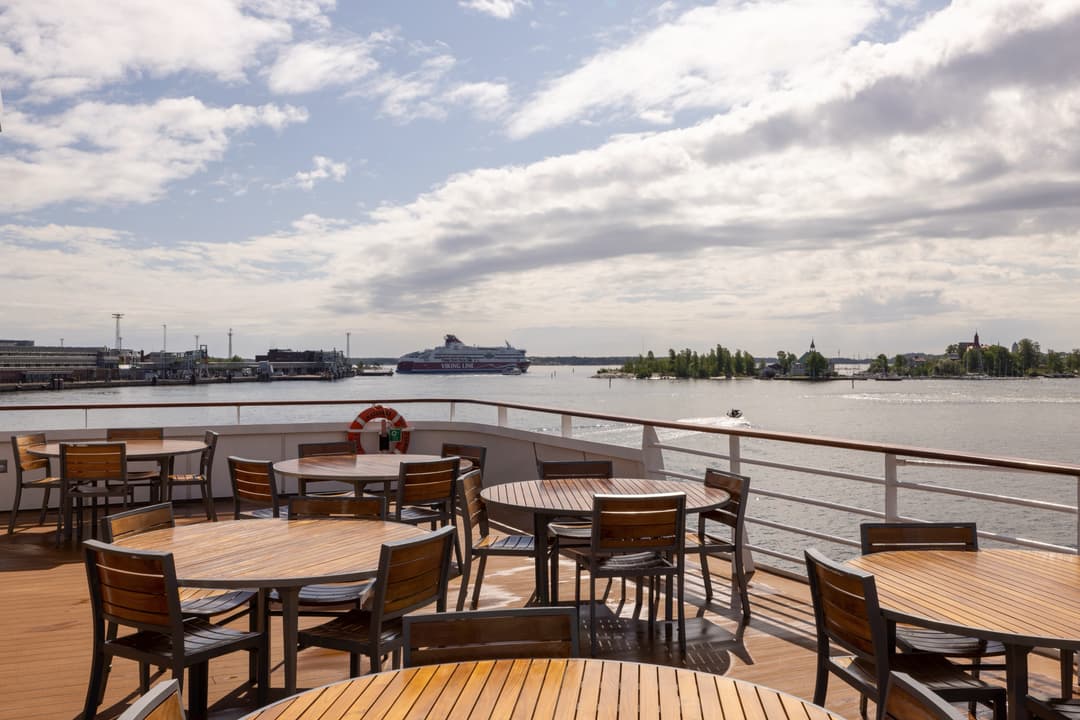
Meals are served in the dining room, Bistro bar, or the Observation lounge, at a single seating with unassigned tables for an informal atmosphere and easy mingling. Menus feature sustainable choices, local where possible.
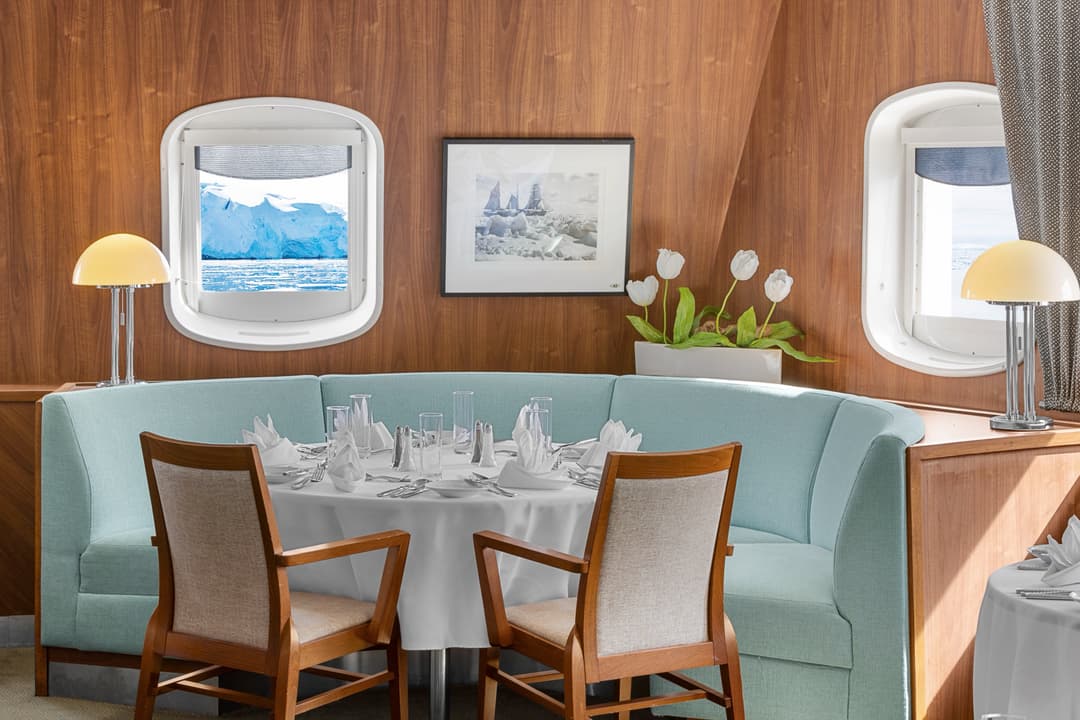
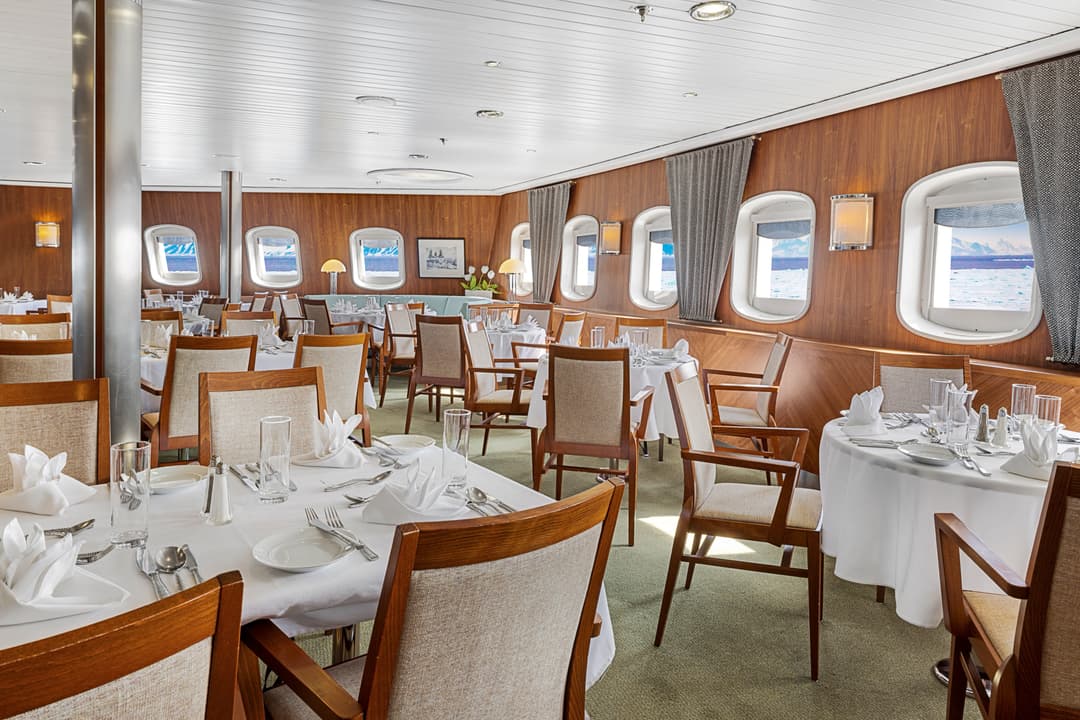
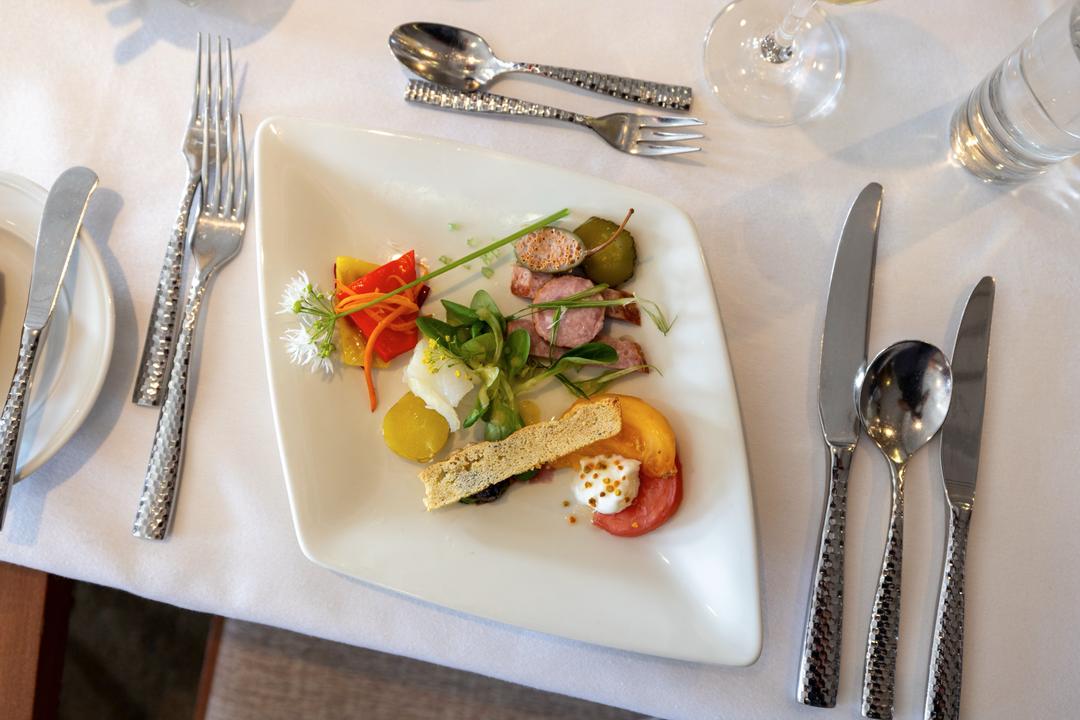
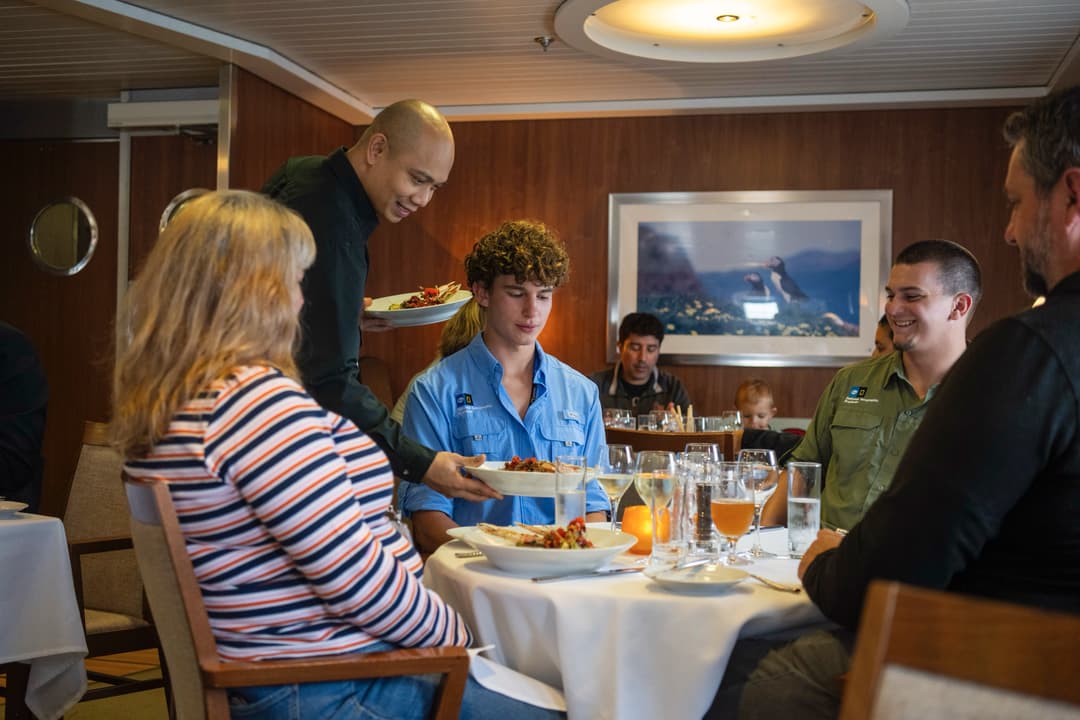
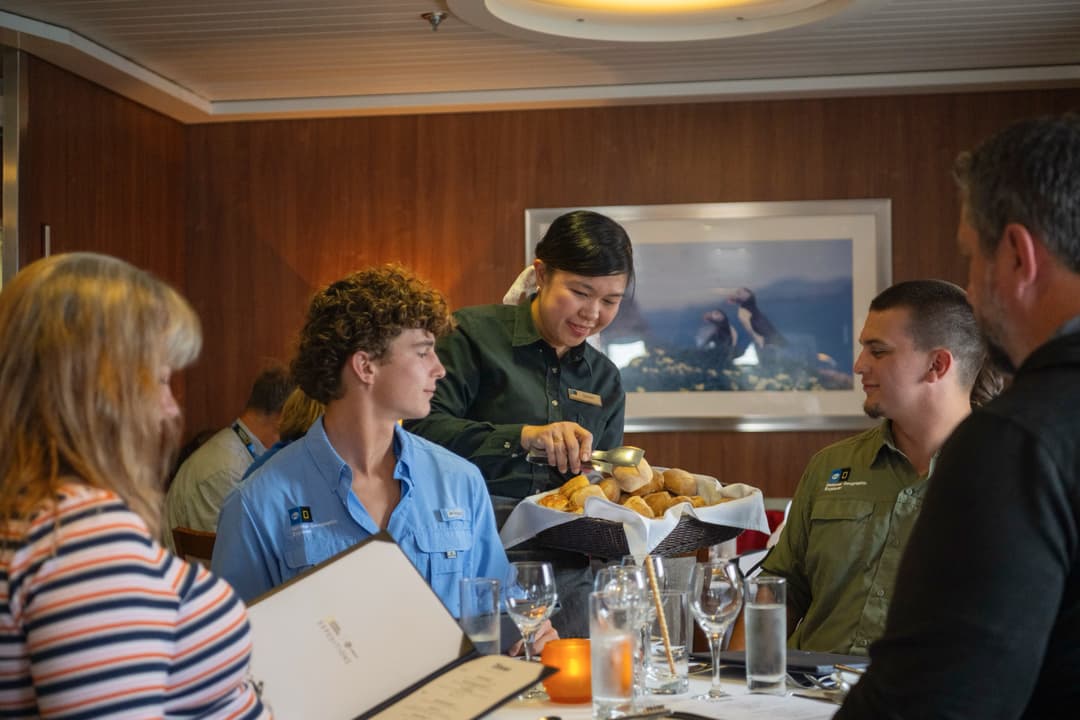
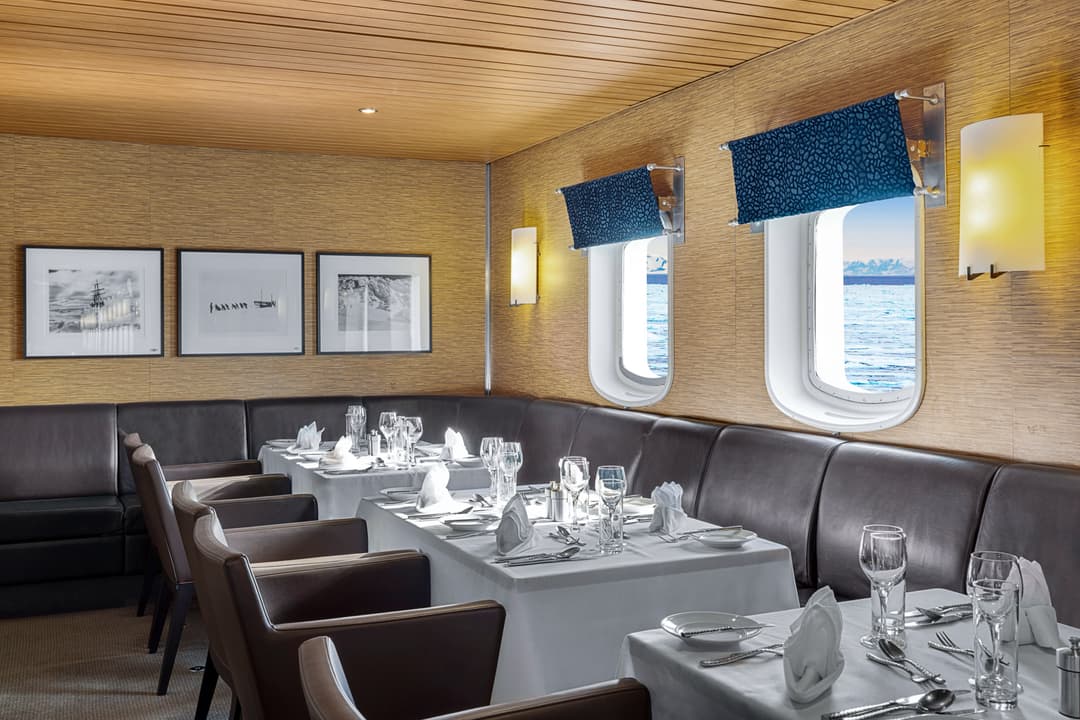
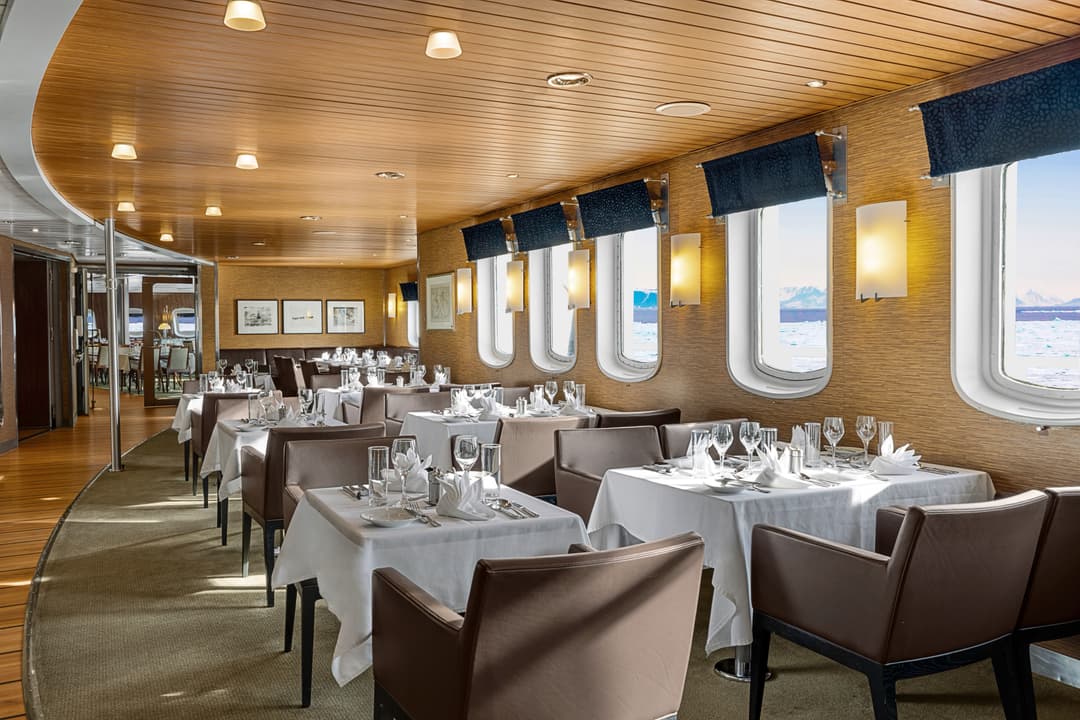
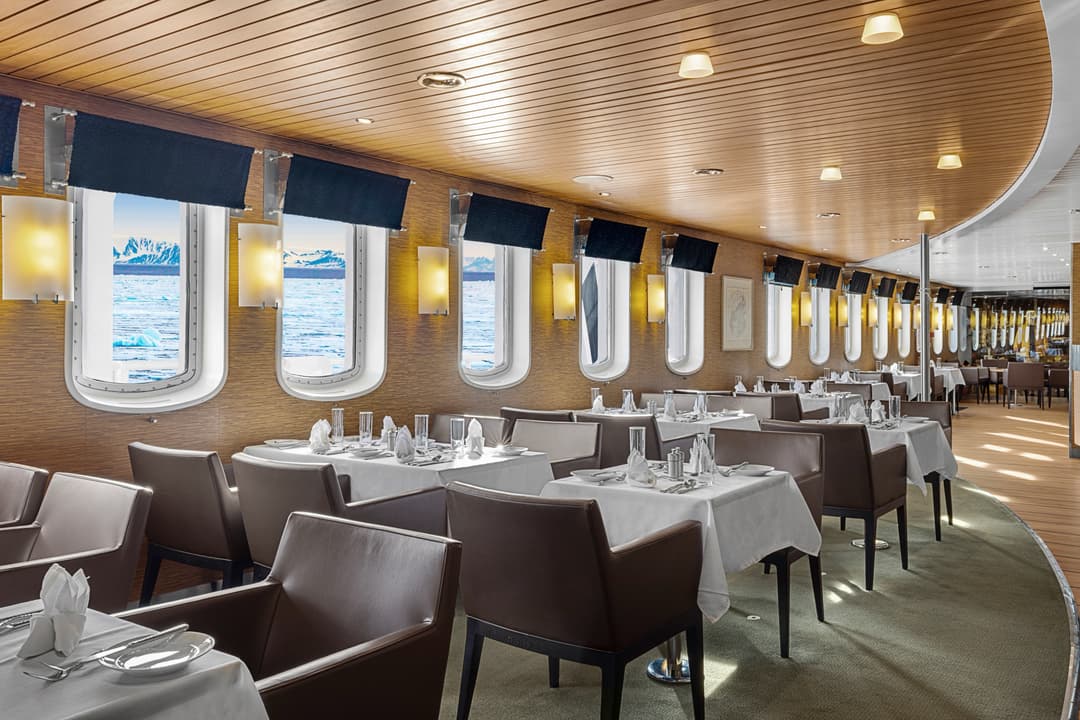
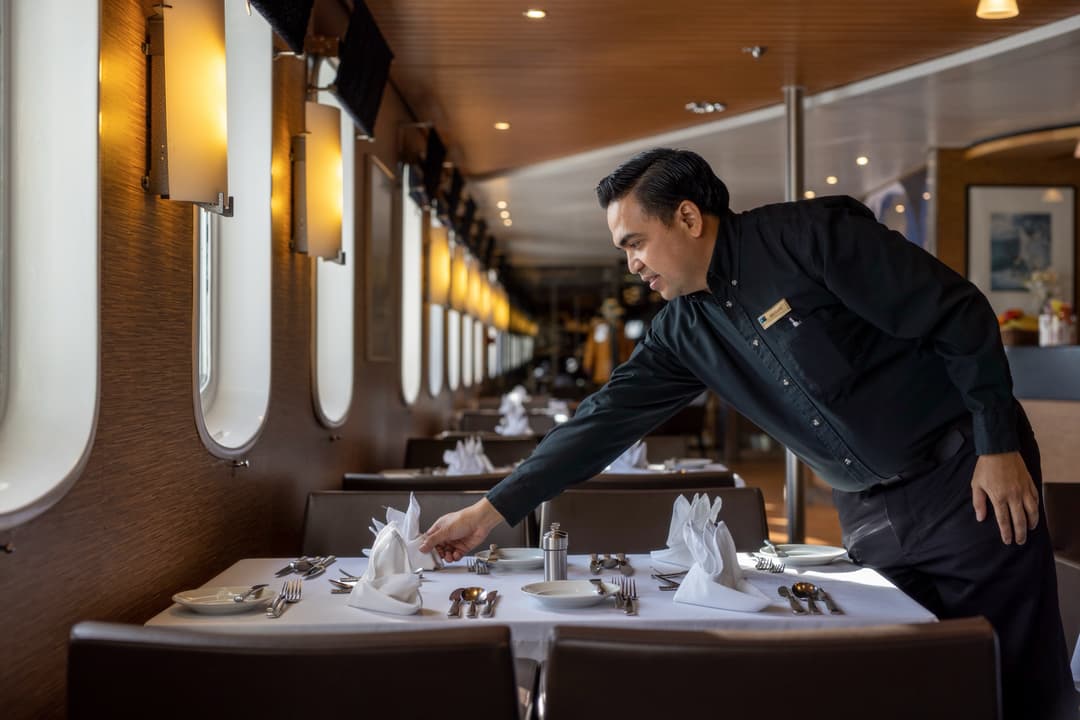
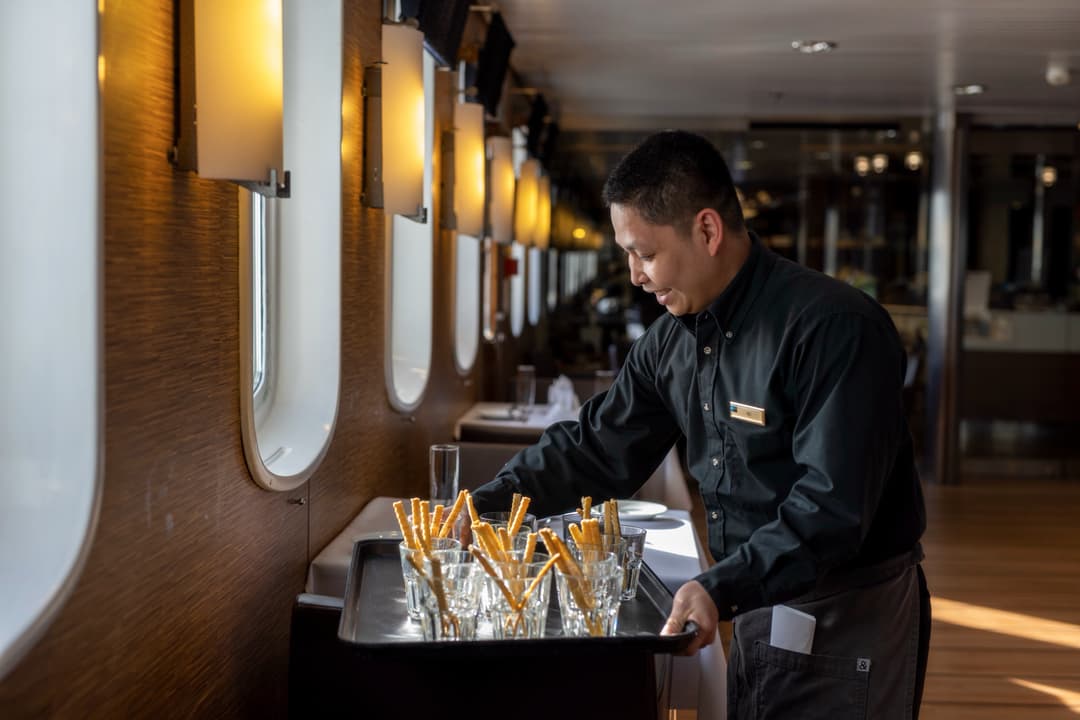
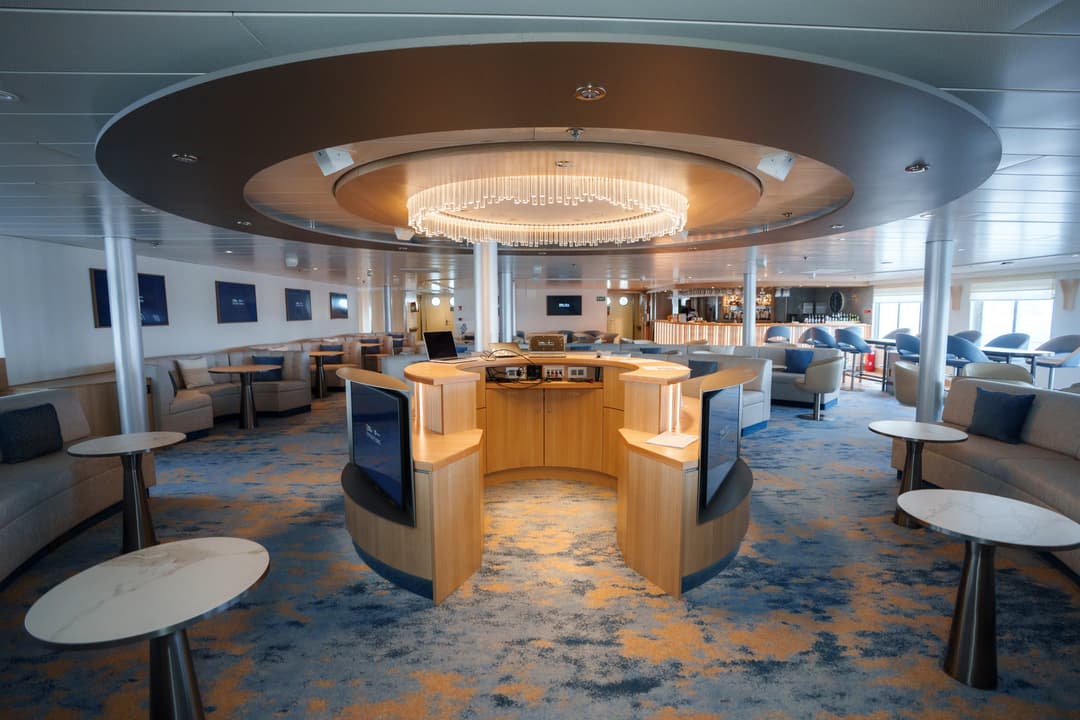
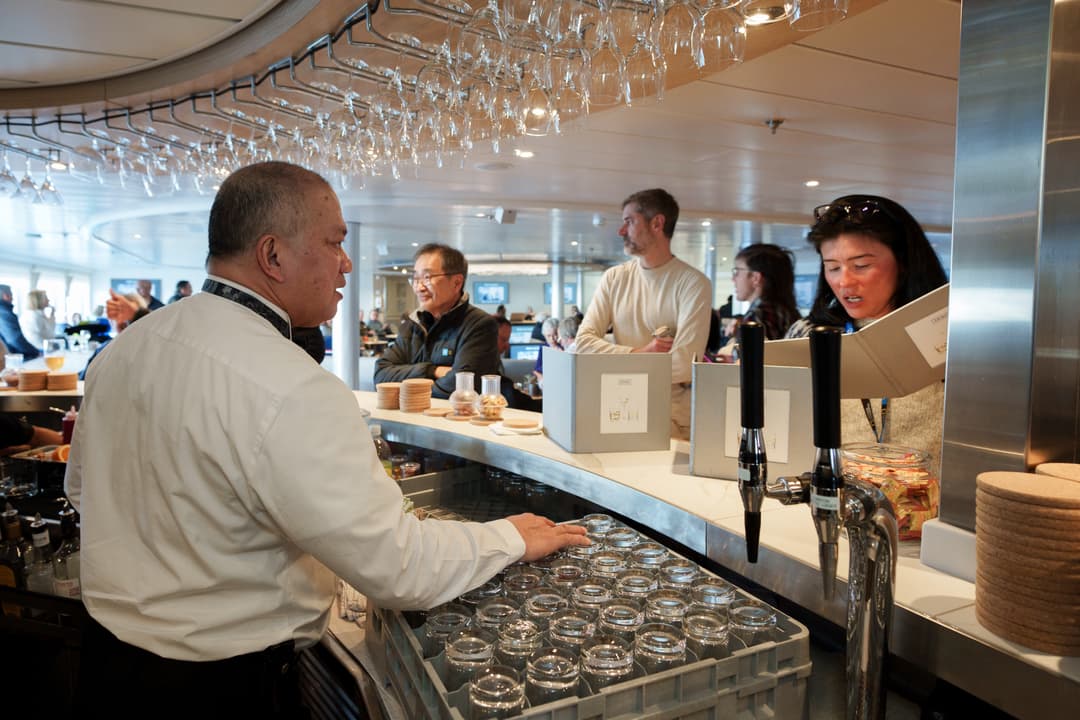
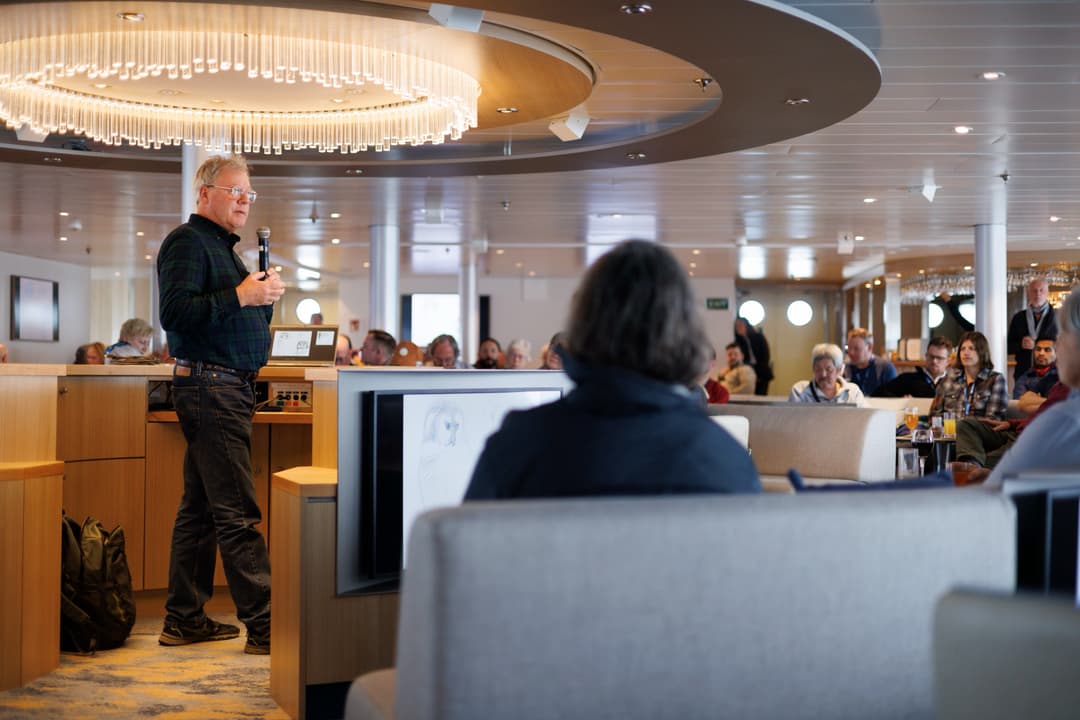
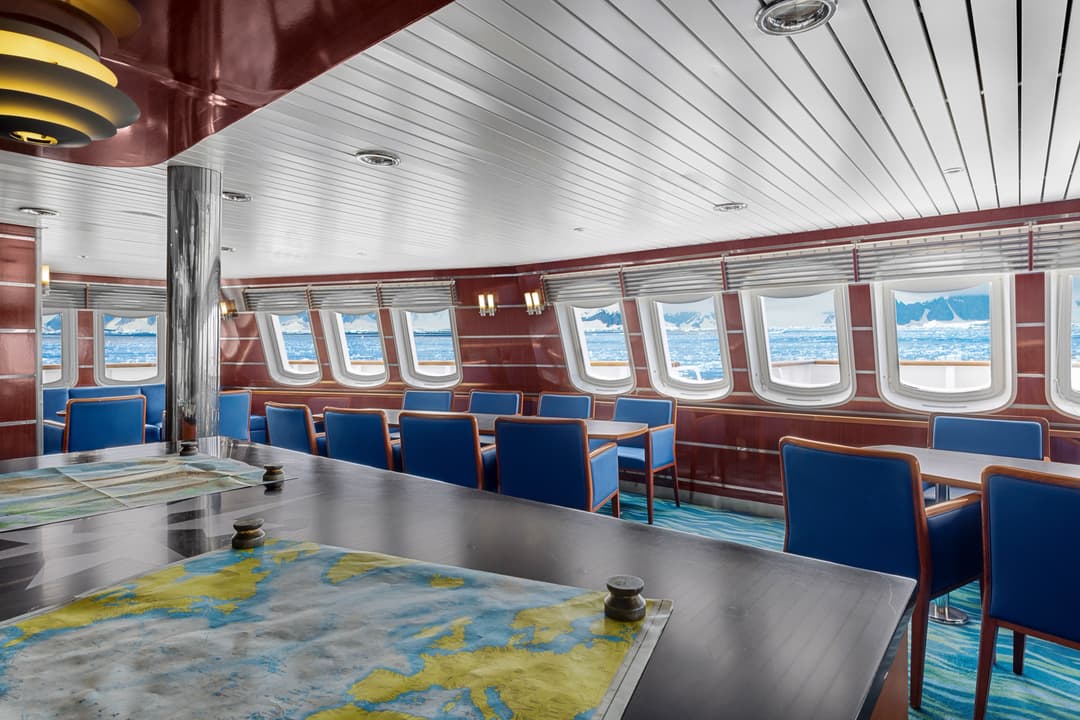
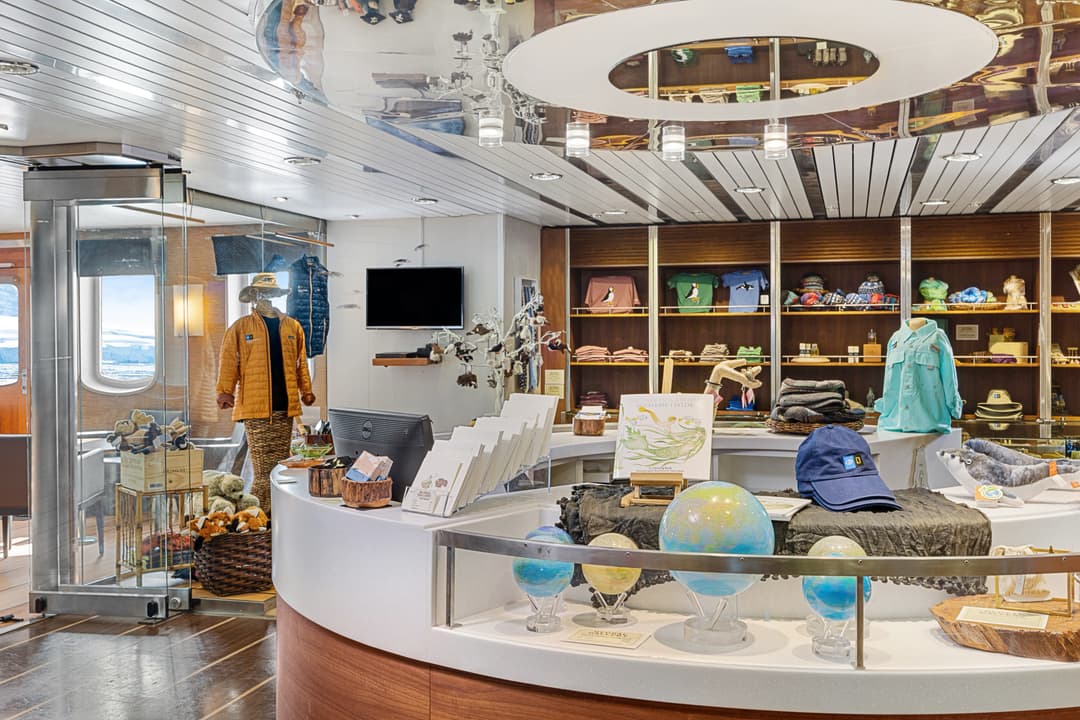
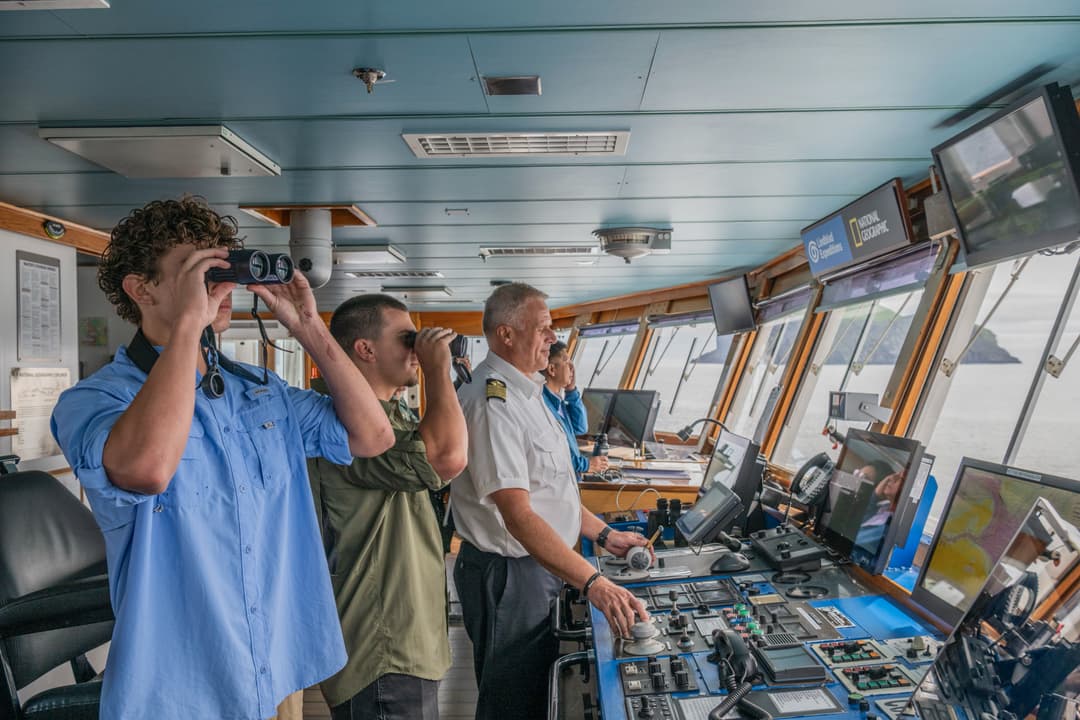
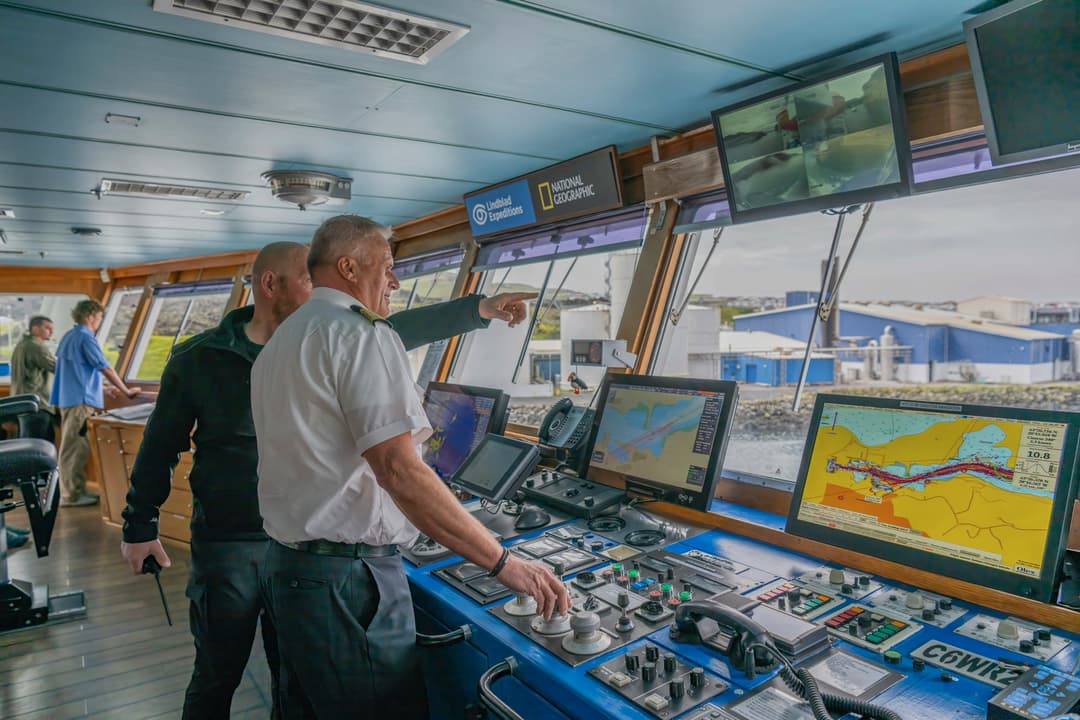
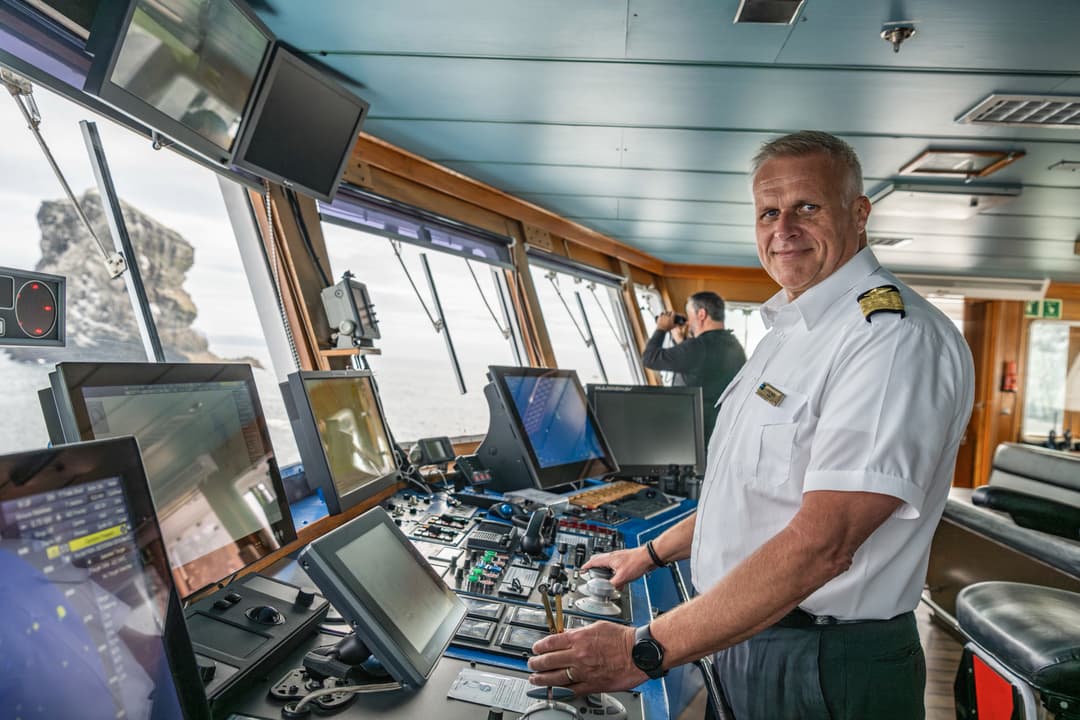
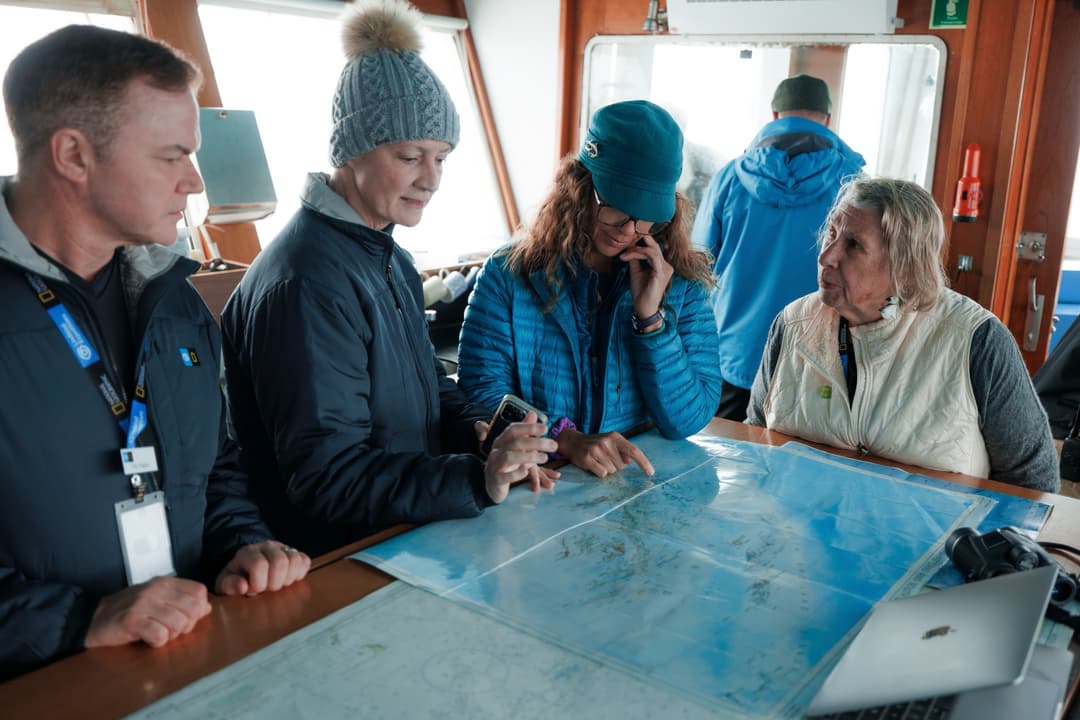
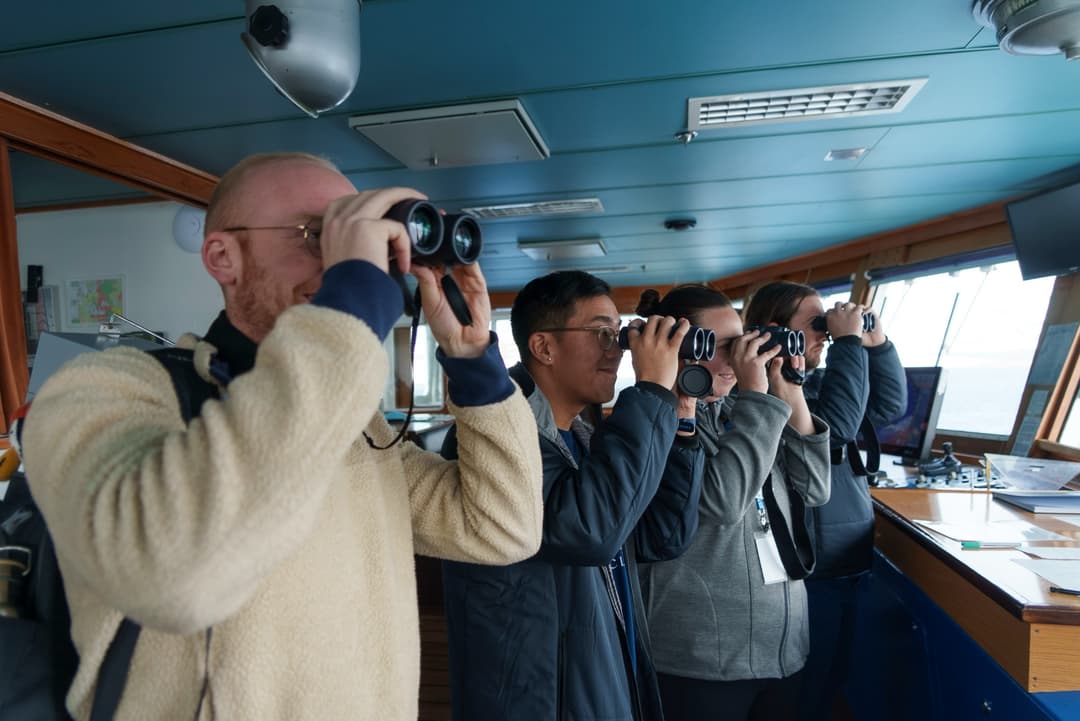
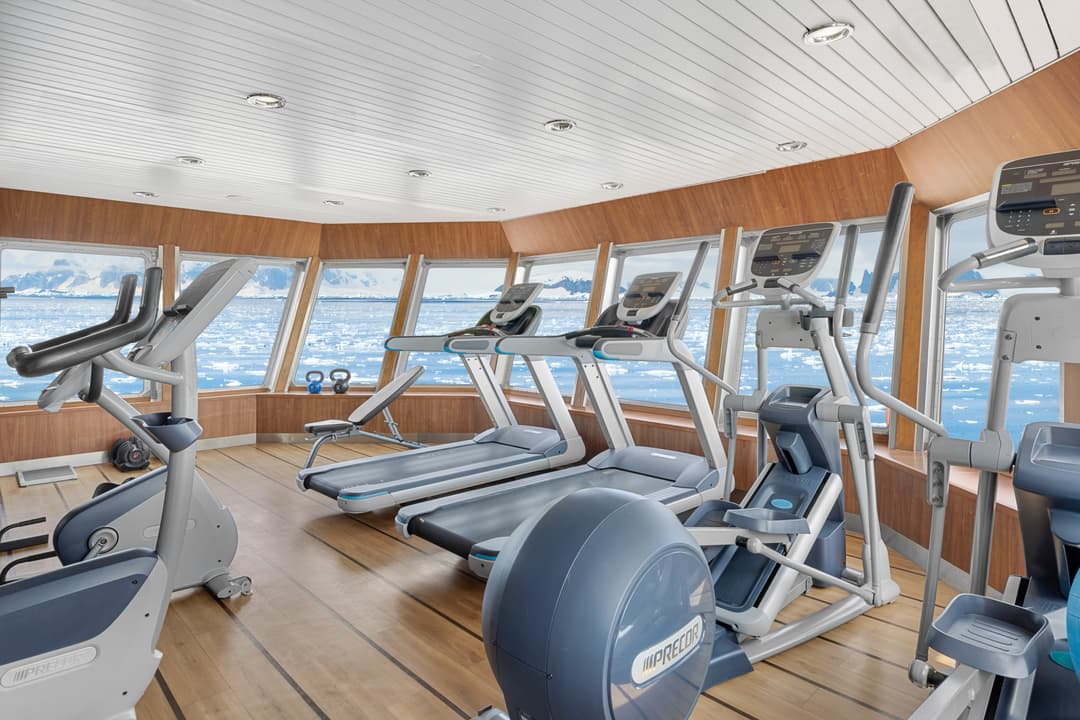
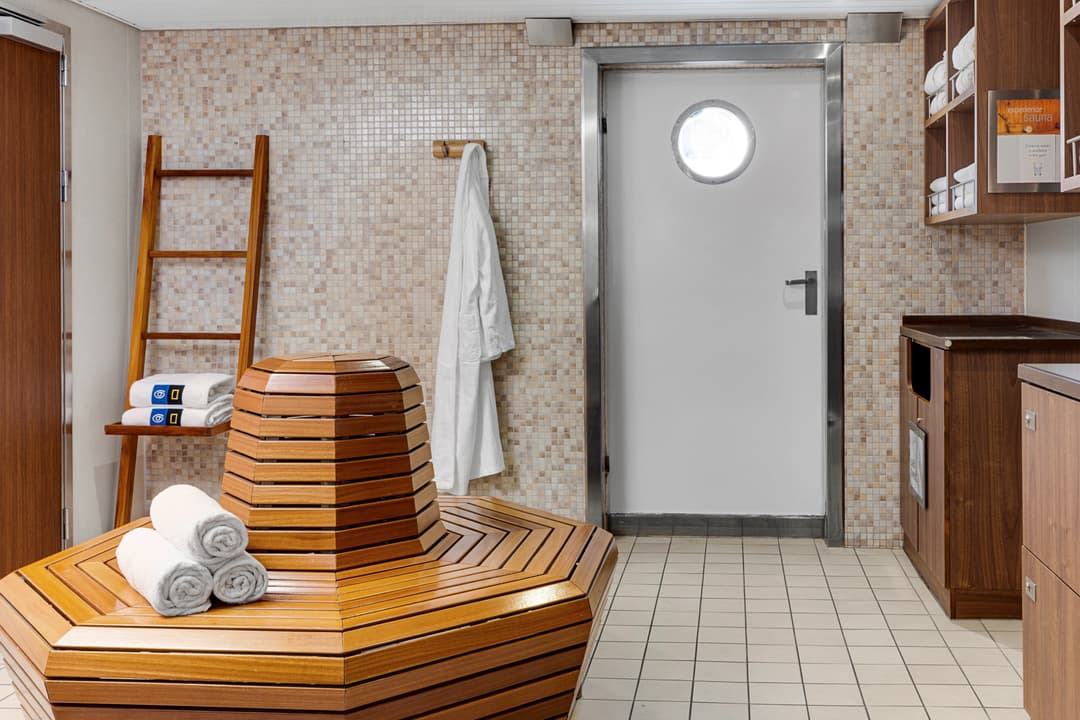
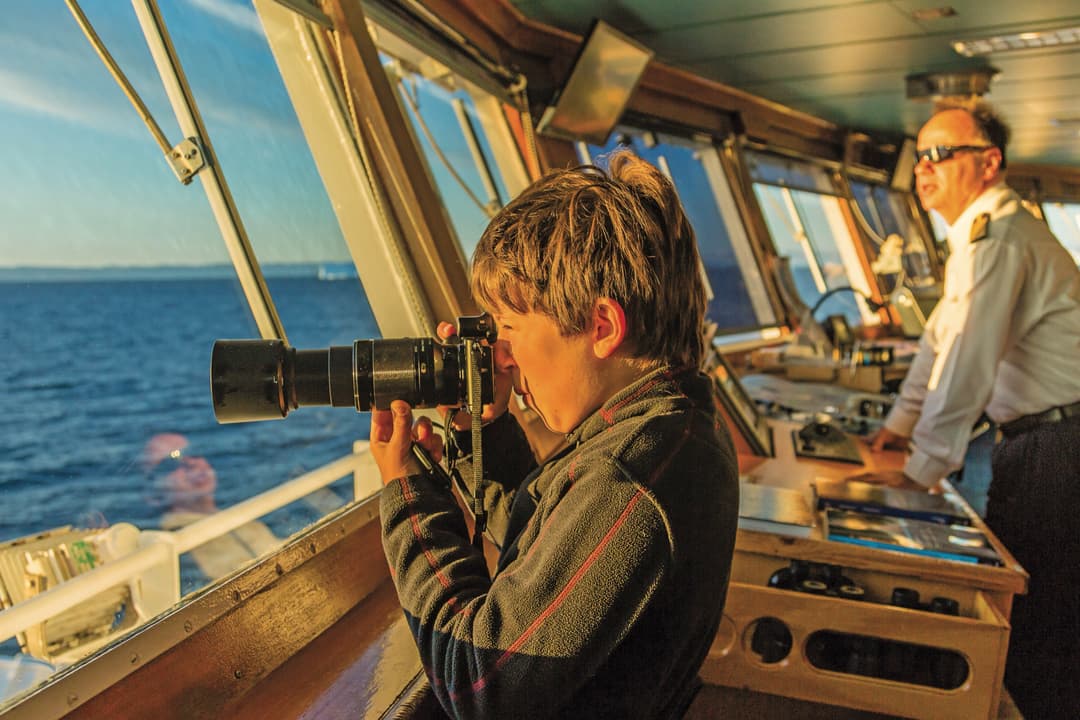
Public spaces include three dining areas; global gallery; library, lounge with bar and state-of-the-art presentation facilities; observation lounge; mudroom with lockers for expedition gear; plus open access to the Bridge, the Captain, officers, and on-duty wildlife spotters.
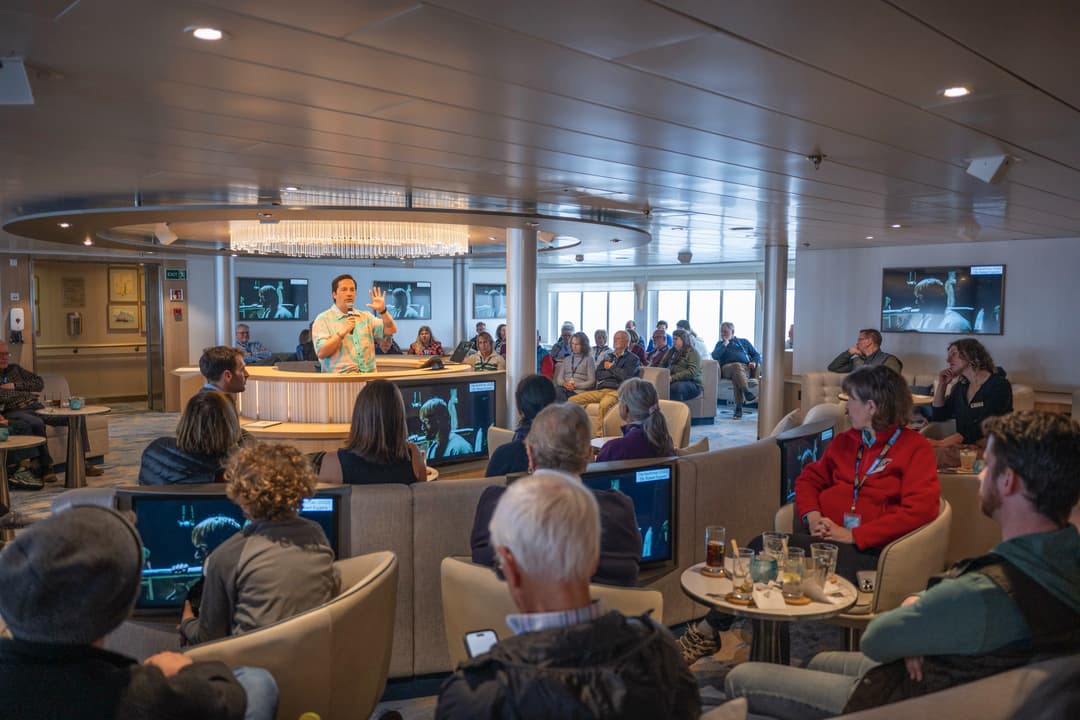
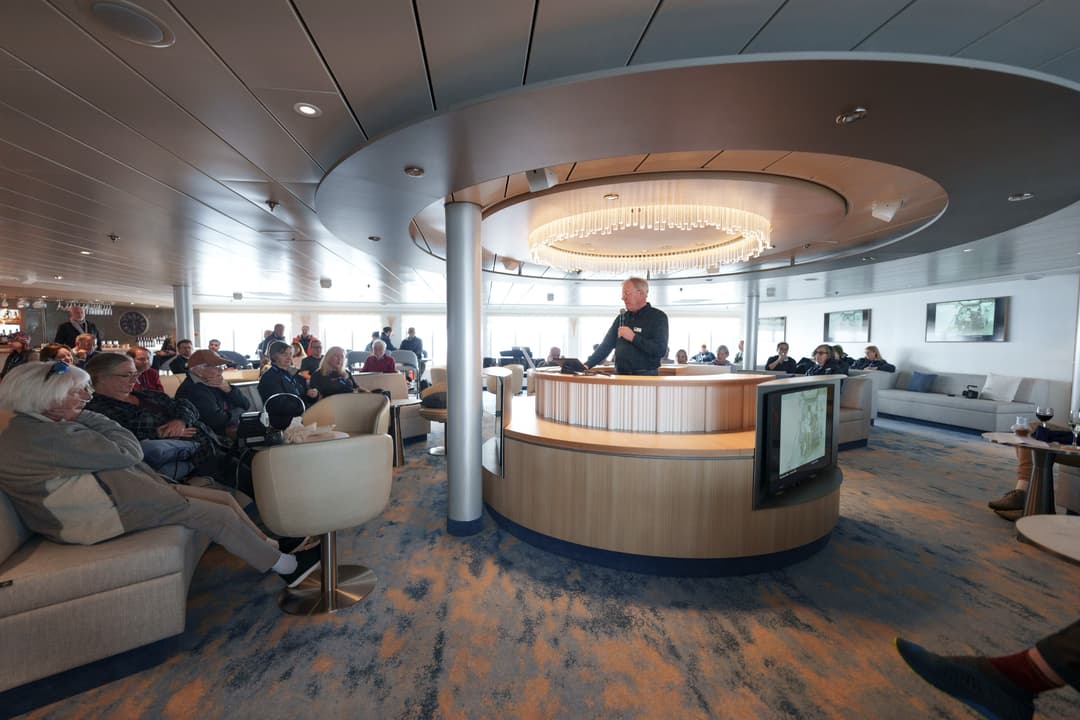
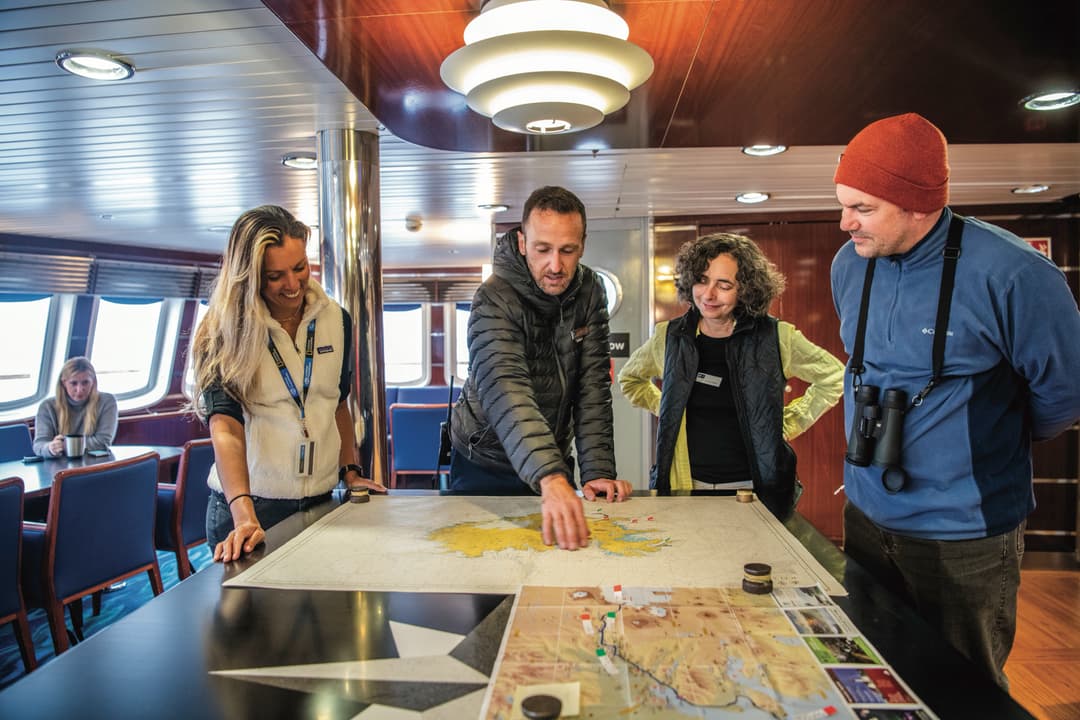
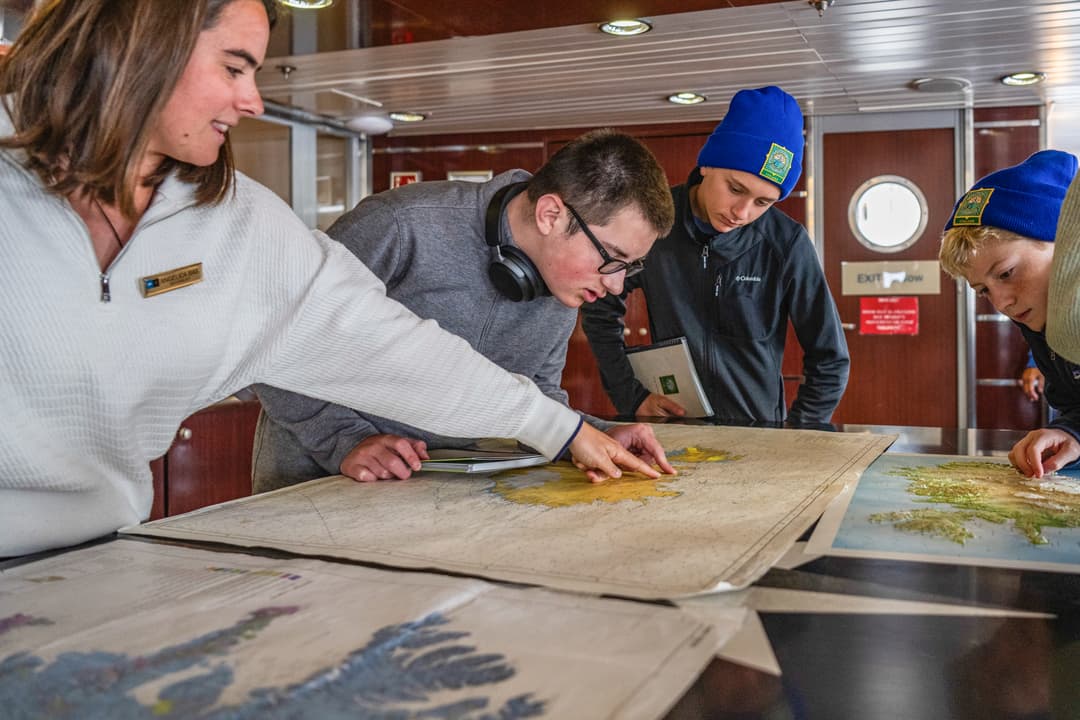
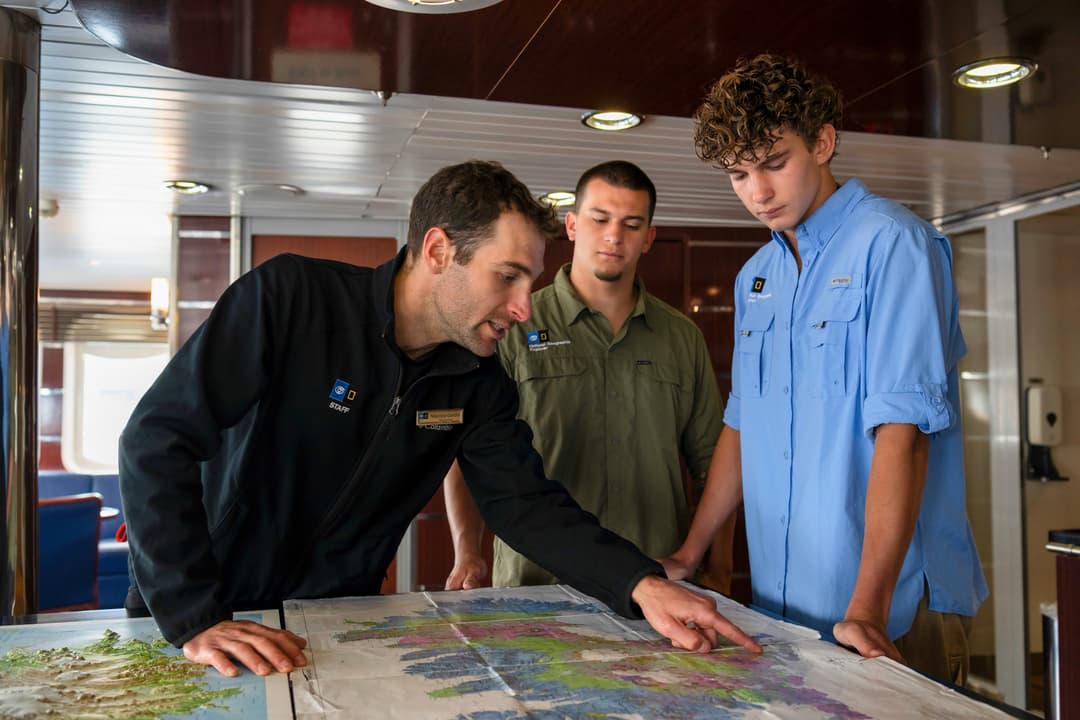


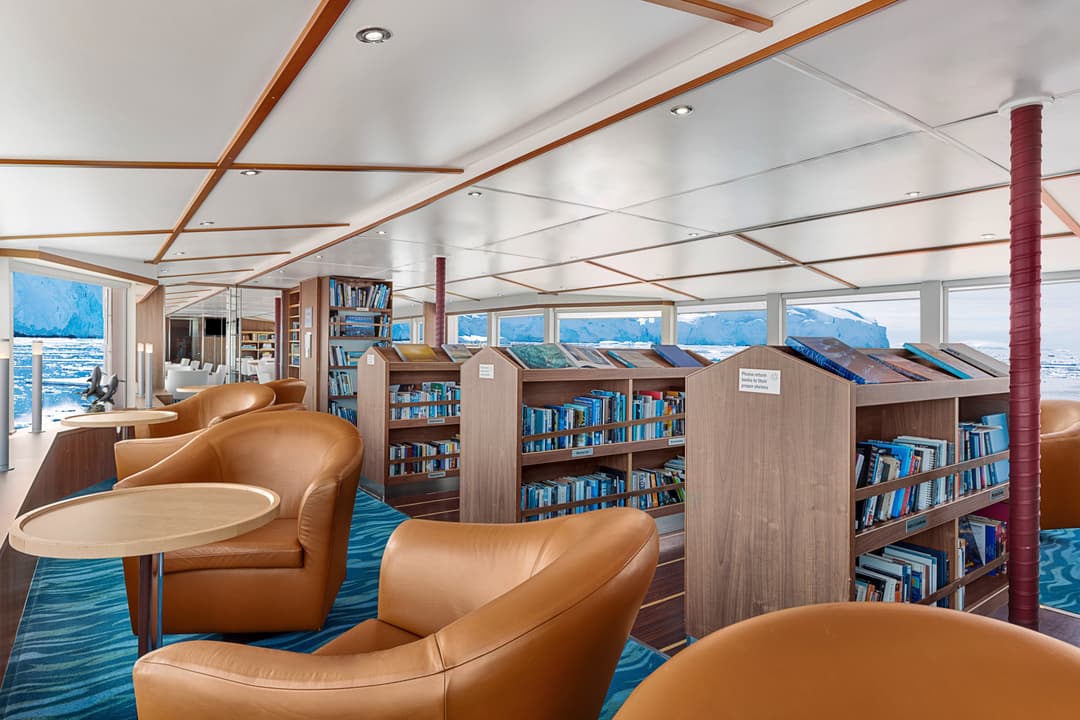
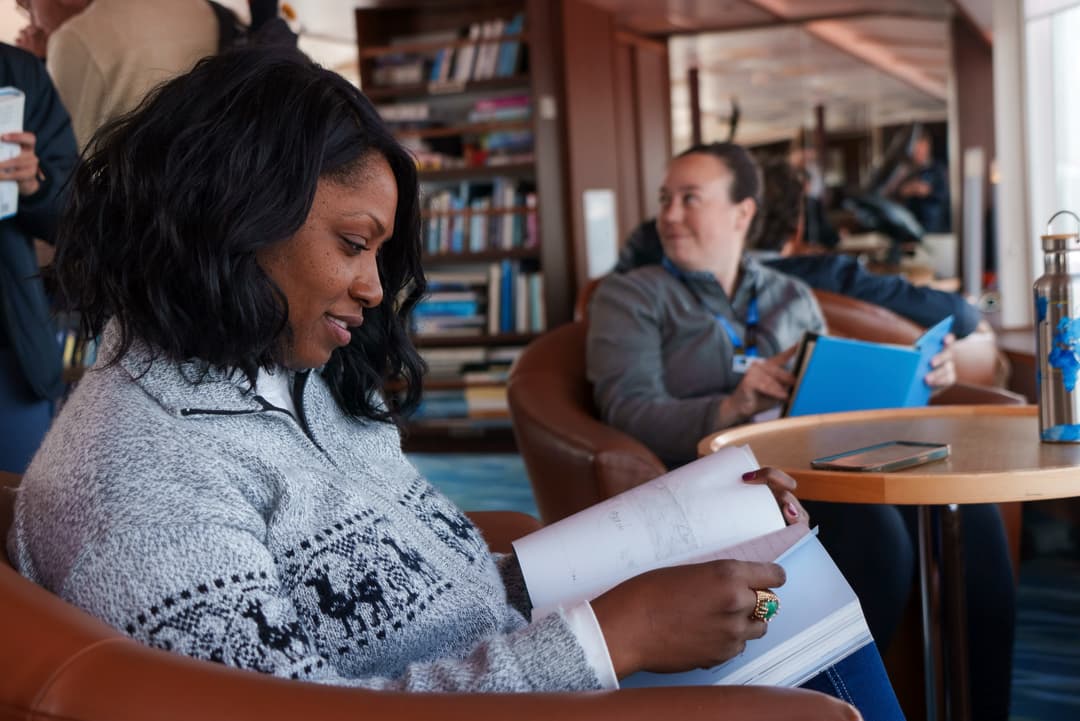
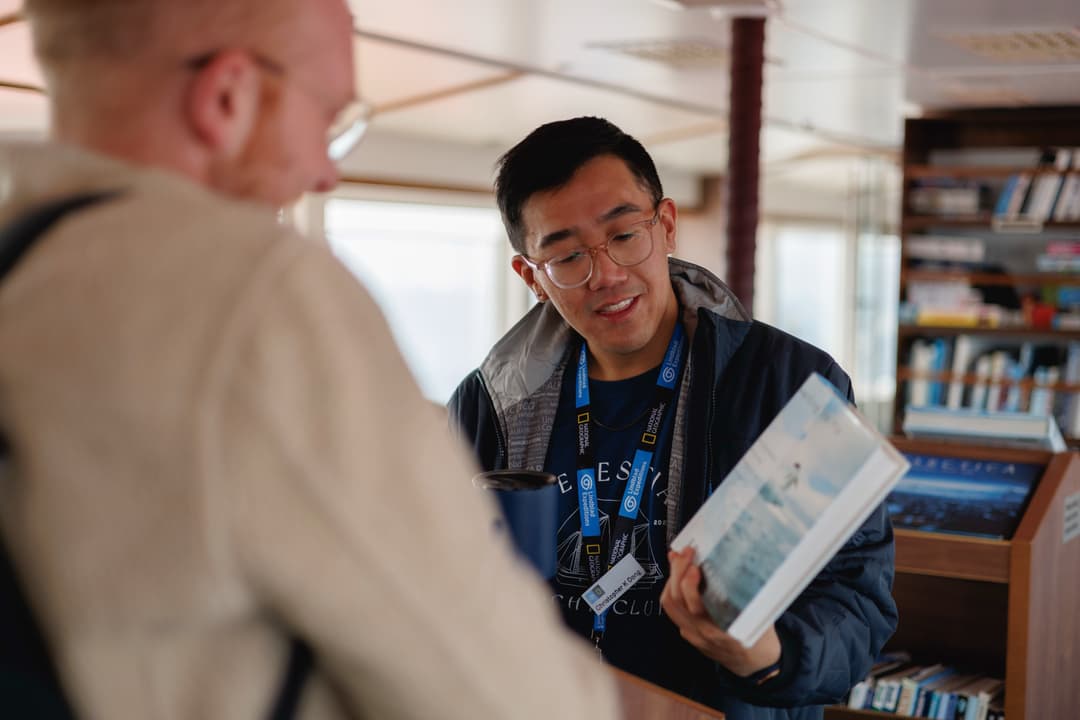
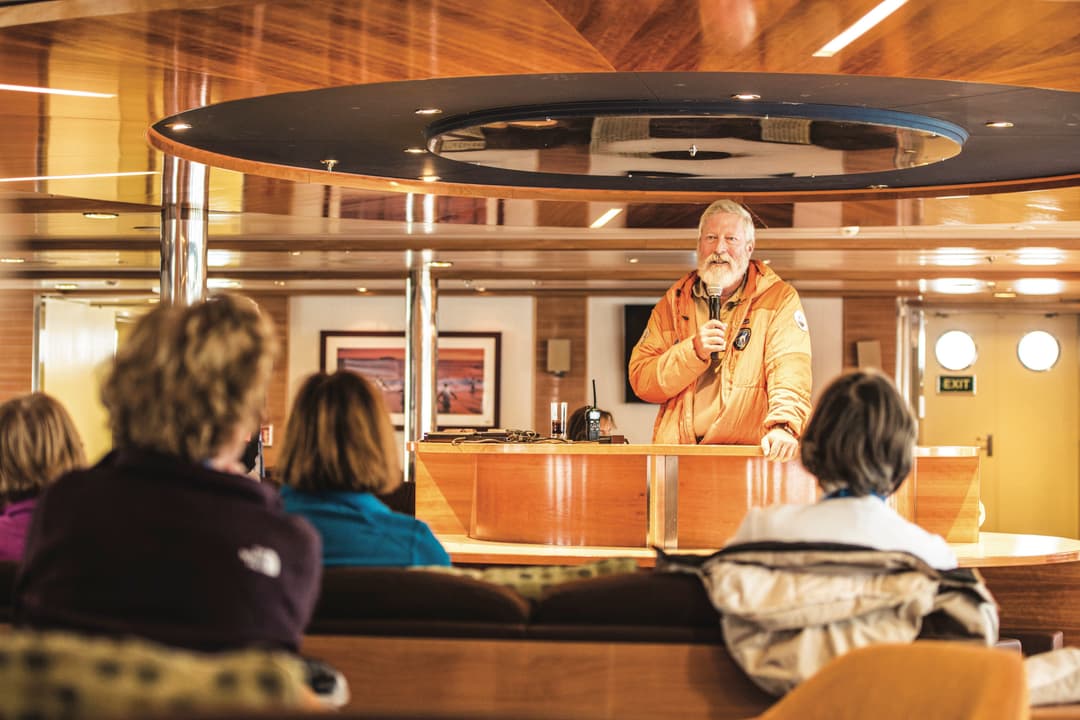
Wherever in the world you choose to explore with National Geographic-Lindblad Expeditions, you will travel alongside a team of experts who are deeply passionate about discovering the places you visit. They are scientists, photographers, and cultural experts at the top of their fields who have spent time immersed in your destination—and they thrive on sharing their knowledge and seeking out new insights alongside our inquisitive guests. For the....
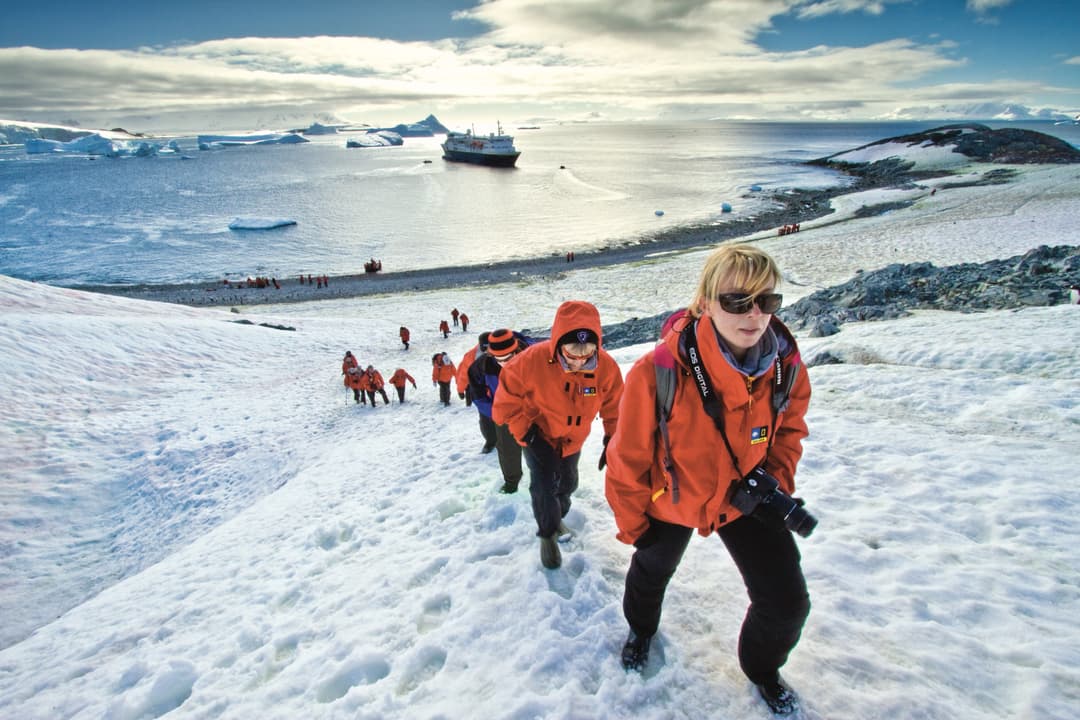
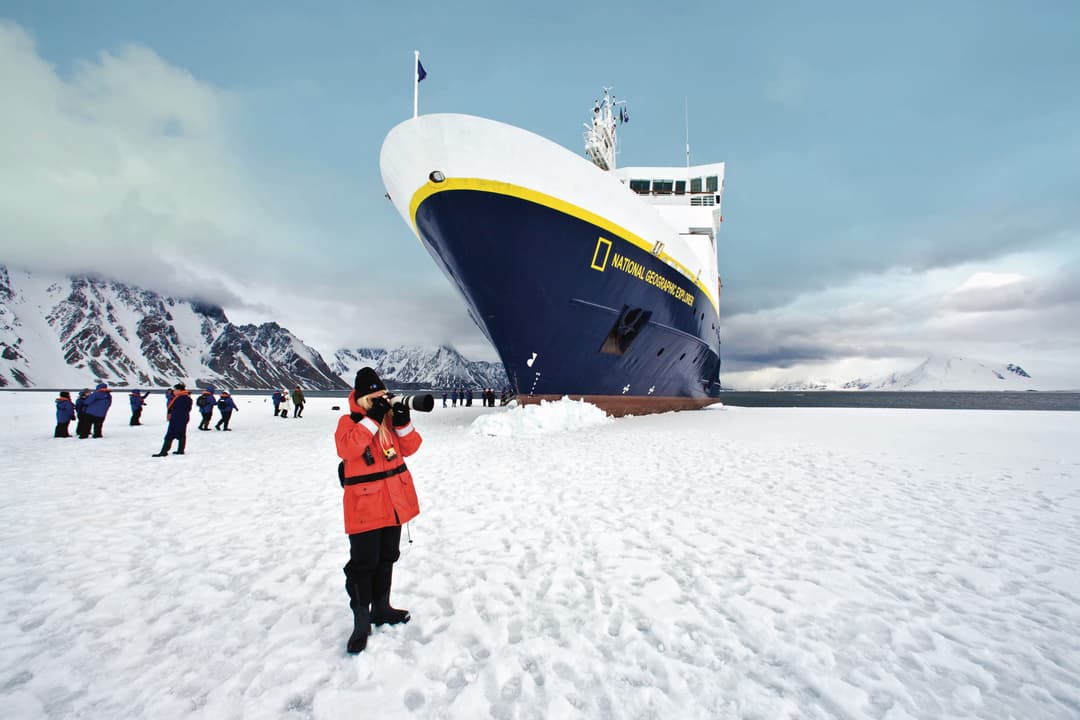
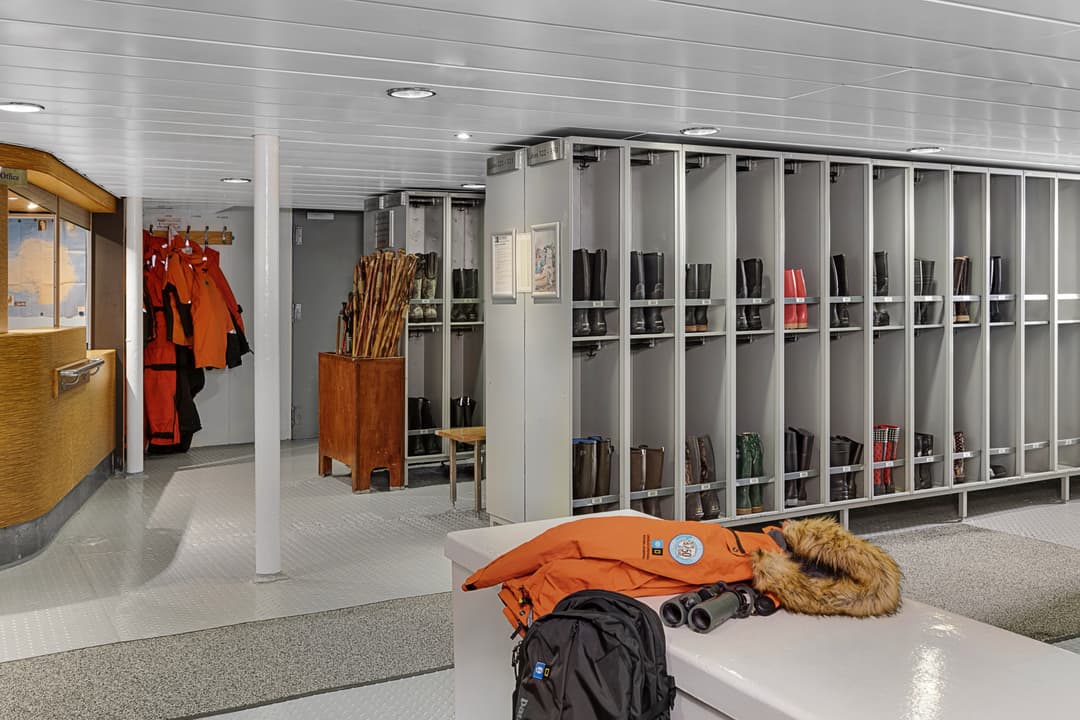
National Geographic-Lindblad Expeditions' ships are uniquely equipped with state-of-the-art tools so you can experience the excitement and wonder of genuine exploration, no matter where you travel with us. Navigate along rocky shorelines and into secluded coves in a kayak or on a stand-up paddleboard or dive into remote waters to discover a galaxy of brightly colored fish—we supply high-quality snorkeling gear, wetsuits, and optional dive gear....
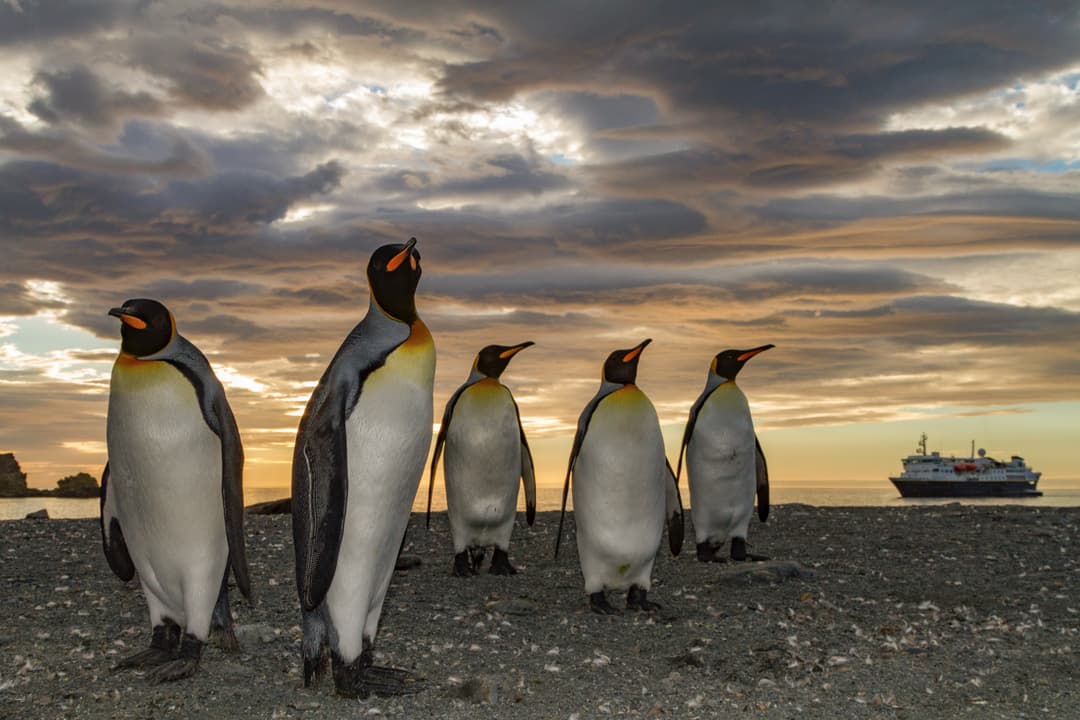
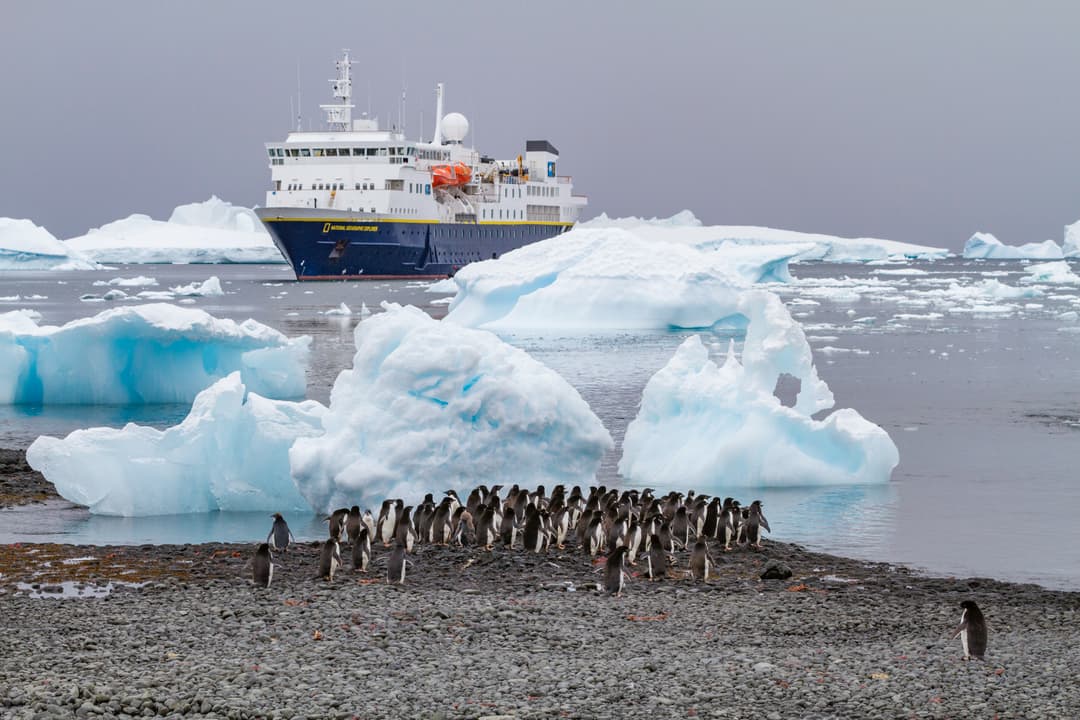
The Visiting Scientist Program has been active for years, and in response to the program’s popularity with guests, National Geographic-Lindblad Expeditions is expanding it for the upcoming travel seasons. Now, more travelers than ever before can voyage alongside fascinating researchers, enjoy talks on their findings, and in some instances participate in the scientific process through activities such as data collection.
New and Ongoin....
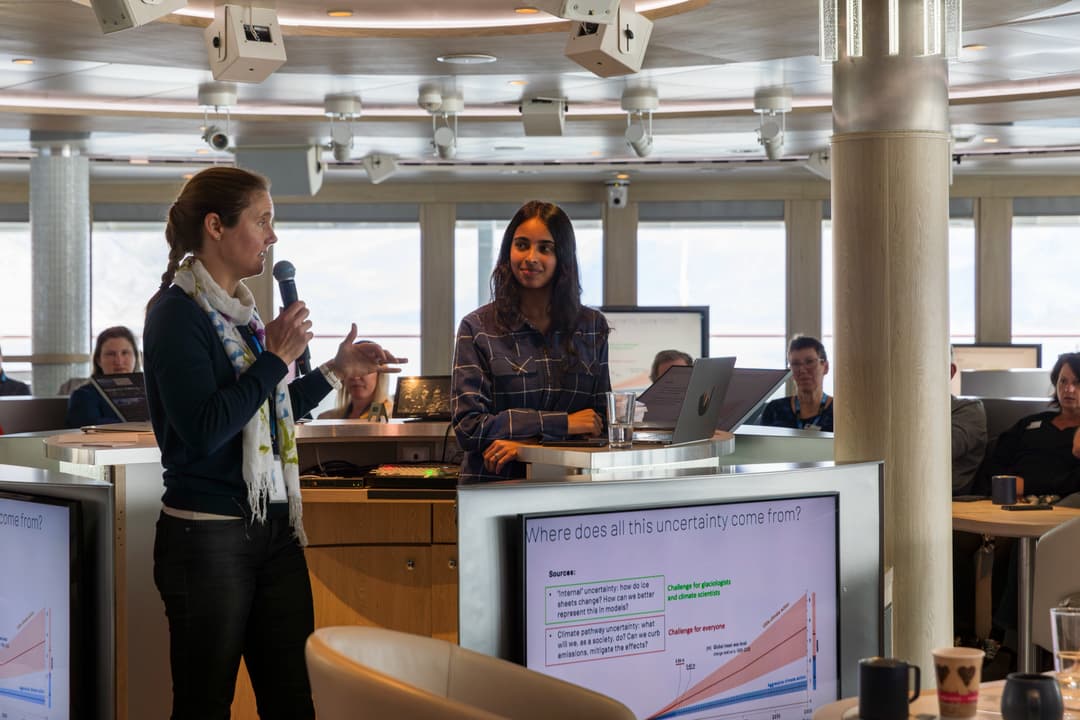
Guests can get involved in the advancement of science by participating in a variety of research projects hosted on their expedition..
Happywhale
Whales have unique markings on their flukes that allow scientists to identify individuals and track them across the globe. When guests capture pictures of the whales spotted on expedition, they can submit them to the Happywhale app to aid in the tracking process. National Geographic....
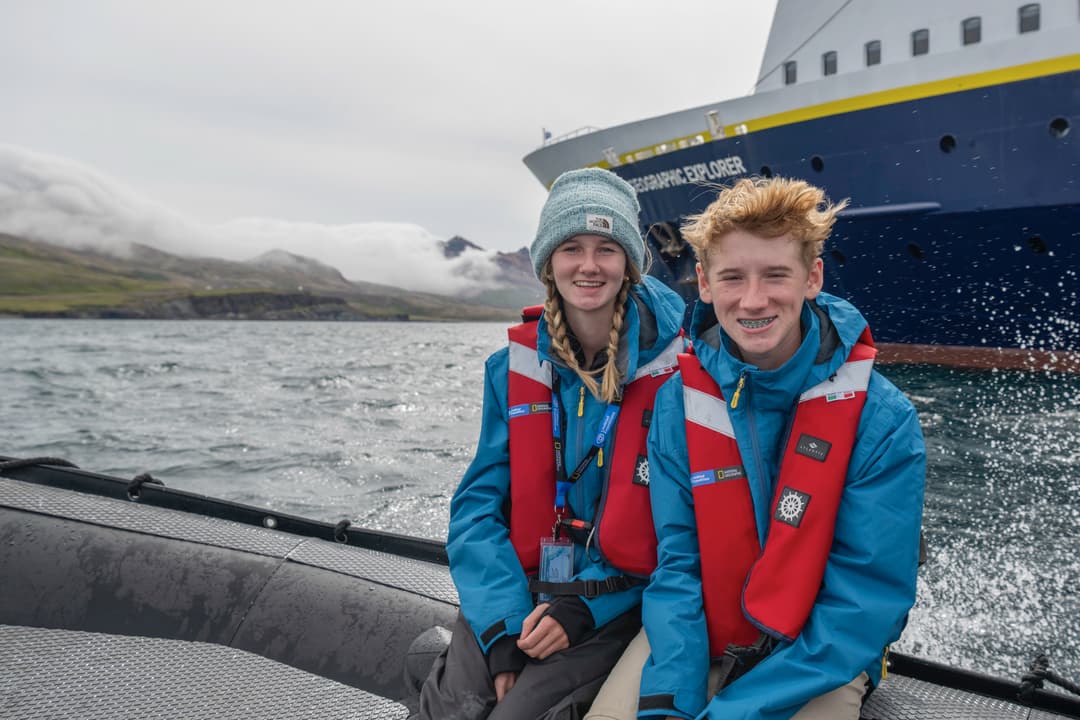
Developed in conjunction with National Geographic Education, our hands-on program invites kids and teens ages 18 and under to sharpen their observation skills and bring their adventures to life through photography, video, drawing and more. From studying plankton under the ship’s microscope to building ice cream sundae glaciers or earning a Zodiac “driver’s license,” activities encourage each explorer to follow their curiosity.
The Nat....
Act Clean Coat™ is a light-activated, self-disinfecting cleaning process that continuously breaks down viruses, bacteria, mold and airborne allergens across all ship surfaces. Not only does this create a cleaner, healthier shipboard environment for guests and crew alike, but this non-toxic, chemical-free system also saves more than one million gallons of water each year in our cleaning procedures, and reduces our carbon footprint as well as th....
Excursions, hotels and airport transfers, as indicated in the itinerary
Selection of exploration tools curated to your destination, such as Zodiacs and glass-bottom boats, stand-up paddleboards, kayaks, snorkeling equipment (including wetsuits, masks, and fins) and other state-of-the-art gear
Guidance and company of our leading expedition staff
All meals as indicated in the itinerary, both aboard and onshore. Meals are inspir....
Airfare (except flights when indicated as included), pre- and post-expedition extensions, additional hotel nights and private transfers (except when indicated as included)
Travel protection plans
Passport, visa and immigration fees
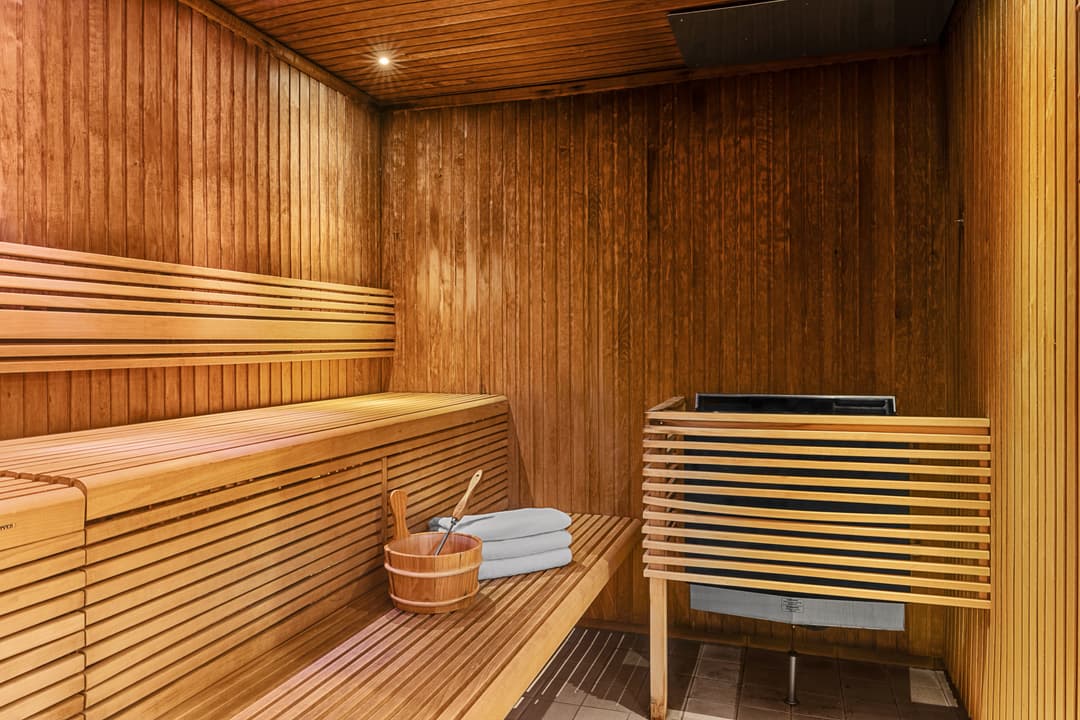
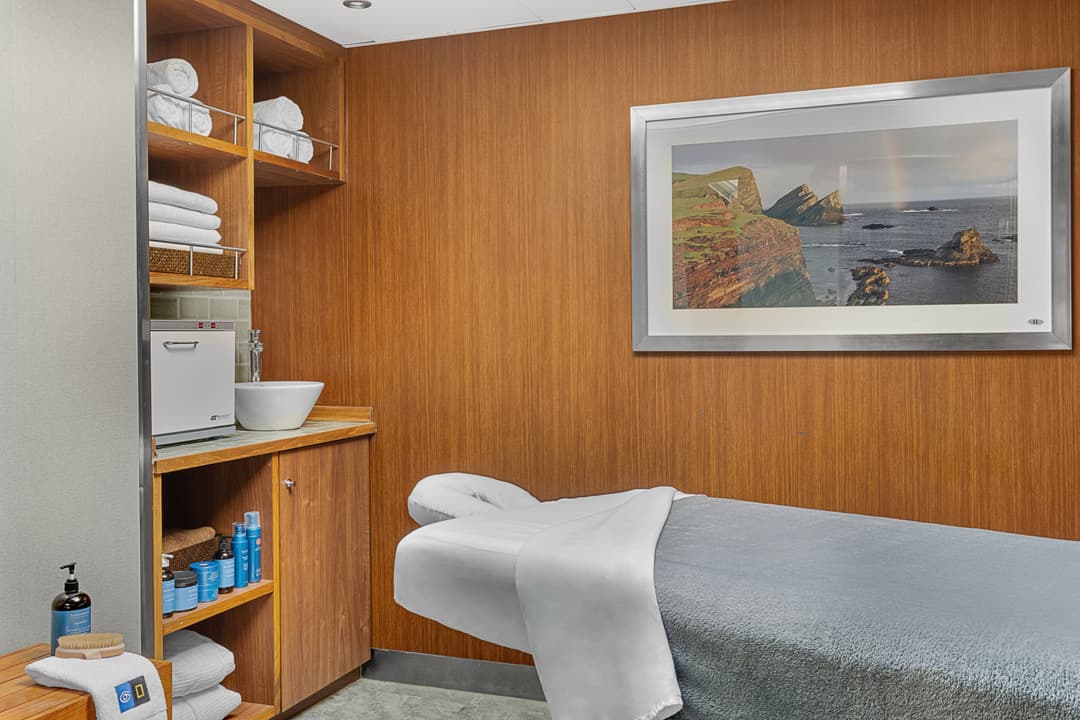
Laundry, spa treatments, scuba diving* and phone services (except when indicated as included)
Additional costs associated with medical services outside onboard physician consultation (where a....